When geopolitical tensions rise in the Middle East, financial markets often respond within minutes. Robert Kovacs, Senior Market Analyst at Northern Index, says oil is usually one of the first assets to reflect growing uncertainty.
Over the past few weeks, renewed tensions between the United States and Iran have once again reminded investors how quickly global events can influence commodity prices, stock markets, currencies, and investor confidence.
While headlines often focus on military developments, experienced traders know that markets care most about one question:
Will global oil supply be disrupted?
The answer to that question can affect everything from inflation and interest rates to airline stocks and energy companies.
In this article, Robert Kovacs looks at why the US-Iran relationship matters so much to financial markets, what investors should watch next, and how traders can avoid making emotional decisions during periods of uncertainty.
Why Oil Is Always the First Market to React
Oil is one of the world's most important commodities.
It powers transportation, manufacturing, shipping, aviation, agriculture, and countless industries around the globe. Because so much of the global economy depends on oil, even the possibility of supply disruptions can move prices sharply.
Iran remains one of the largest oil-producing countries in the Middle East. Although sanctions have limited parts of its exports over the years, any military escalation involving Iran raises concerns that production or transportation routes could be affected.
Markets often react before anything actually happens.
If traders believe there is a higher risk of supply shortages, oil prices typically rise as investors price in that uncertainty.
This is why Brent Crude and WTI crude oil often experience increased volatility whenever geopolitical tensions increase in the region.
Why the Strait of Hormuz Matters
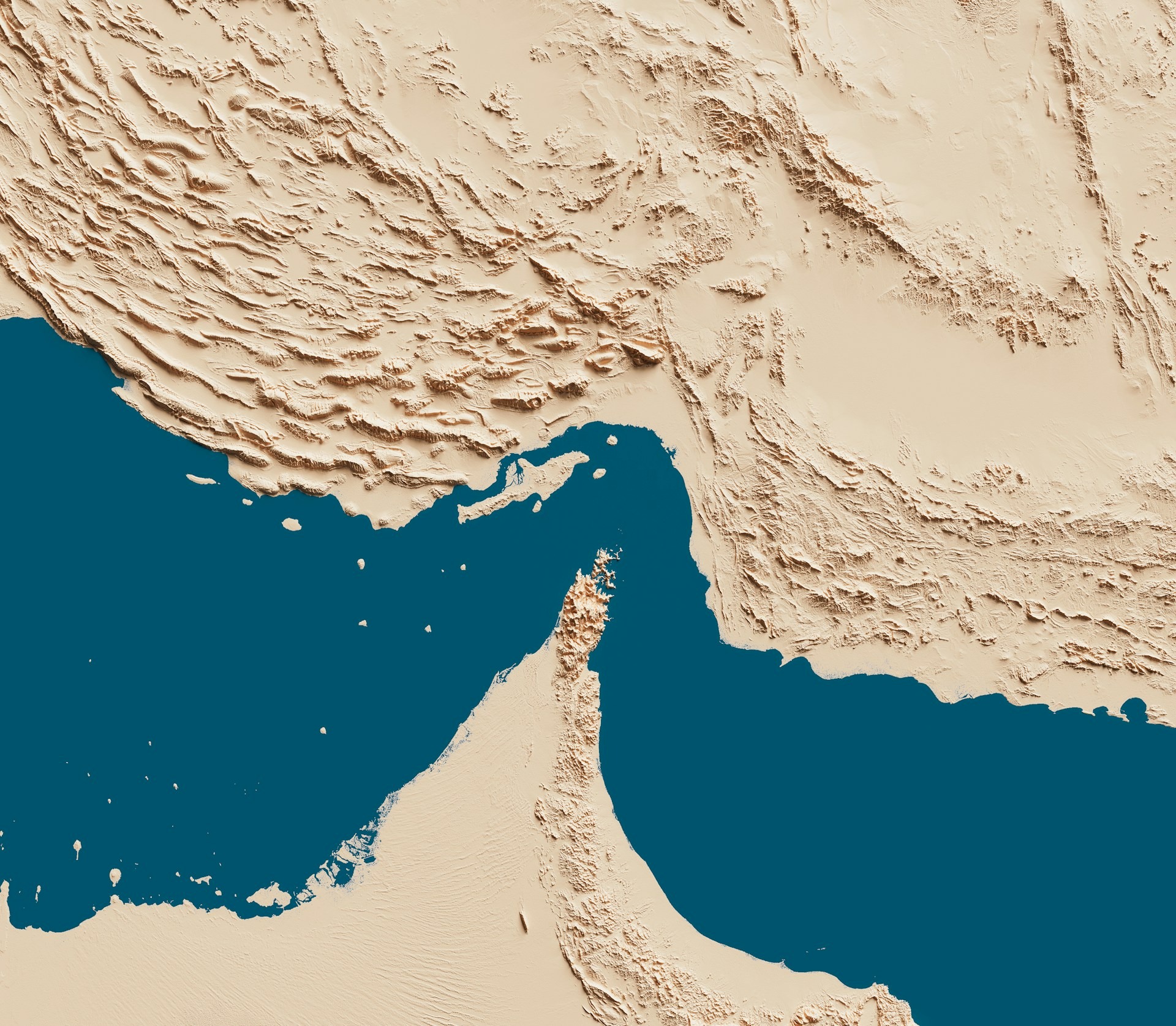
One of the biggest reasons markets react so strongly is the Strait of Hormuz. This narrow waterway connects the Persian Gulf to international shipping routes and is one of the busiest oil transportation corridors in the world.
A significant percentage of the world's exported oil passes through this route every day. Even speculation about shipping disruptions can cause energy markets to become volatile because replacing those supply routes would be extremely difficult in the short term.
Fortunately, history has shown that many geopolitical crises create temporary price spikes rather than long-term shortages.
Markets usually begin to stabilize once investors gain more clarity about the actual impact on production and shipping.
How Higher Oil Prices Affect the Global Economy
When oil becomes more expensive, the effects spread far beyond energy companies. Businesses pay more for transportation. Airlines face higher fuel costs. Manufacturers spend more on production. Shipping companies see operating expenses increase.
Eventually, some of these higher costs reach consumers through higher prices on everyday goods. This contributes to inflation.
Central banks, including the Bank of Canada and the US Federal Reserve, closely monitor energy prices because persistent increases can make inflation more difficult to control.
If inflation remains elevated, central banks may decide to keep interest rates higher for longer. That can influence borrowing costs, mortgage rates, business investment, and overall economic growth. In other words, a geopolitical event thousands of kilometers away can eventually affect household budgets in Canada.
Which Markets Usually Benefit?
Not every sector performs poorly during periods of rising oil prices.
Historically, energy producers often benefit from stronger commodity prices because higher oil prices can increase revenue and profitability. Investors may also rotate into defensive sectors that are generally viewed as more resilient during uncertain economic conditions.
Gold is another asset that frequently attracts attention.
Although gold and oil are very different investments, both often receive increased demand during periods of geopolitical uncertainty. That doesn't guarantee higher prices, but it explains why investors closely monitor precious metals alongside energy markets.
Which Industries Face More Pressure?
Some industries are naturally more sensitive to rising fuel costs.
These often include:
- Airlines
- Logistics companies
- Transportation firms
- Cruise operators
- Manufacturing businesses with high energy consumption
Higher operating costs can reduce profit margins unless companies are able to pass those costs on to customers. Investors therefore tend to evaluate whether higher oil prices are likely to be temporary or long-lasting before making investment decisions.
The Canadian Perspective
Canada occupies an interesting position during periods of higher oil prices. Unlike countries that import most of their energy, Canada is one of the world's major oil producers.
Higher crude prices can support revenues across Canada's energy sector, benefiting many companies involved in production, infrastructure, and related services. However, Canadian consumers may still experience higher gasoline prices and increased costs for goods that rely on transportation.
This creates a mixed economic picture. Some industries benefit while households may face additional financial pressure. Understanding both sides of this relationship helps investors interpret Canadian market movements more accurately.
Why Emotional Trading Often Leads to Mistakes
One of the biggest risks during geopolitical events is emotional decision-making.
Breaking news creates uncertainty.
Social media amplifies rumors.
Headlines change by the hour.
Many inexperienced traders feel pressure to react immediately.
In reality, professional investors often spend more time assessing risk than chasing headlines.
They ask questions such as:
- Has the market already priced in this information?
- What is the probability of further escalation?
- How could central banks respond?
- Which sectors are most directly affected?
- What are the possible outcomes over the next six to twelve months?
These questions encourage a structured approach rather than emotional trading.
Risk Management Matters More Than Predictions
No analyst can consistently predict geopolitical events with complete accuracy.
Markets are influenced by politics, diplomacy, economic data, weather events, production decisions, and investor sentiment.
Because of this uncertainty, experienced traders generally focus more on managing risk than trying to forecast every market movement.
Some common principles include:
- Using appropriate position sizing.
- Setting stop-loss levels before entering a trade.
- Avoiding excessive leverage.
- Diversifying exposure across different asset classes.
- Following a long-term strategy instead of reacting to every headline.
Risk management cannot eliminate losses, but it can help investors remain disciplined during volatile periods.
Looking Ahead
As diplomatic developments continue, markets will likely remain sensitive to any new information regarding the relationship between the United States and Iran.
Investors should monitor several key indicators over the coming weeks:
- Oil inventory reports.
- OPEC production announcements.
- Shipping activity in the Strait of Hormuz.
- Inflation data.
- Central bank policy statements.
- Corporate earnings from major energy companies.
Each of these factors may provide additional insight into whether current market volatility is likely to persist or gradually ease.
Rather than focusing on short-term price swings alone, successful investors often consider how geopolitical developments fit into the broader economic picture.
Periods of uncertainty can create both risks and opportunities, but only for those who approach markets with patience, discipline, and realistic expectations.
Final Thoughts
Geopolitical events like the current tensions between the United States and Iran remind us that financial markets are deeply interconnected. A single event can influence commodities, currencies, equities, inflation, and investor sentiment across the globe.
While market volatility often captures headlines, long-term investing and trading success rarely comes from reacting emotionally to breaking news.
Instead, it comes from understanding the underlying economic forces, managing risk carefully, and making informed decisions based on evidence rather than speculation.
Whether oil prices continue to rise or eventually stabilize, investors who remain disciplined are generally better positioned than those who allow fear or excitement to dictate their strategy.
About the Author
Robert Kovacs is a Senior Market Analyst at Northern Index, where he provides research and commentary on global financial markets, macroeconomic trends, commodities, and geopolitical developments. His market analysis focuses on helping traders in Canada (and beyond) understand how international events influence asset prices while promoting a disciplined, risk-aware approach to investing.
About Northern Index
NorthernIndex.com is a global CFD trading platform offering access to currency pairs, stocks, indices, commodities, and crypto through a regulated trading environment. The company emphasizes transparent trading conditions, responsible risk management, and educational market insights designed to help traders make informed decisions rather than emotional ones.