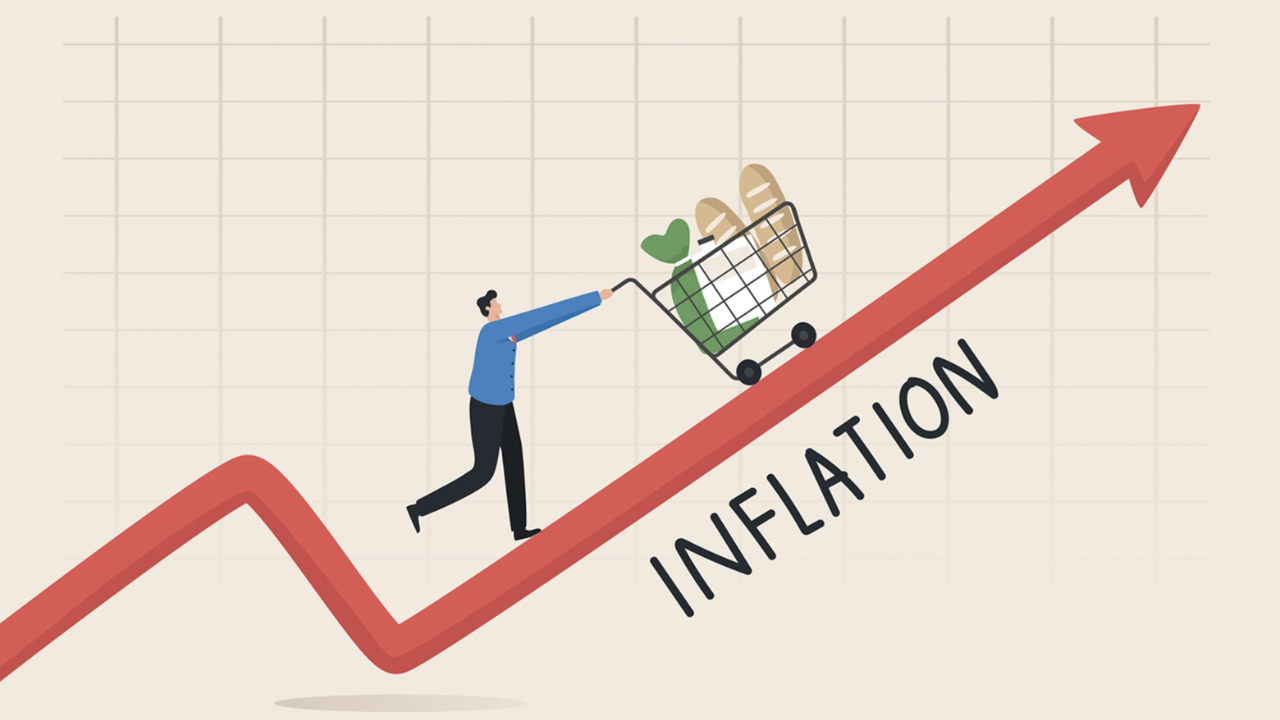
Contemporary life silently takes in inflation as the context in which to purchase, plan, save, and spend money. The prices of groceries, housing, transport services, and services have been increasing consistently since 2021, and despite the all-time rates of inflation being lower in comparison to previous spikes, the prices of living are significantly higher compared to the prices before the pandemic. Customers are not merely spending more; they are learning to live in a different way.
This article reveals how inflation is changing the ways of purchasing among all generations, income earners, and product lines. Not only what people buy but also how and why changes as well through inflation, which is transforming the nature of psychological stress to smarter shopping and changing loyalties to new digital tools.
The Current State of Inflation
Global and Regional Inflation Statistics
The 2024-2025 inflation has imposed identity-disproportionate pressure on the global economies. In the United States, inflation was at a steady level of between 3.2 and 3.7, and some of the categories increased at a higher rate than others, especially groceries, rent, and services. Food inflation was also characteristically stubborn, and most items were increasing 20-30 percent versus 2021.
Housing was also one of the sorest areas, as the countries experienced national rent increases in major cities, which ranged from 6 to 8% annually. The prices of vitality varied widely because of geopolitical stress and the issue of supply that kept the prices of energy and electricity unpredictable.
Wage Growth vs. Inflation Gap
Although the wages have escalated in most areas, they have not been able to keep up with the constant rise in prices. In the U.S., the estimate of average wage growth in 2024 was about 4-4.5. Well, however, in the case of inflation, the growth of real wages is almost flat. The purchasing power has been eroded by this gap, and households are now reconsidering their most fundamental spending decisions.
Americans currently experience the feeling that their salaries are not as far-reaching as they used to be whenever they are given a paycheck, and minor purchases have to be thought over.
How Consumer Psychology Has Shifted
From Brand Loyalty to Price Sensitivity
Once, marketing success hinged on brand loyalty; this is now fading like never before. Food like eggs, bread, milk, and cleaning supplies are now costlier, so customers are not keen on belonging to a particular brand. Instead, they are making an emphasis on cost-effectiveness.
Some individuals who will purchase the same brands they have trusted over the years will turn depending on promotions or coupons, or store discounts. The decision has taken the overruling of nostalgia, marketing, or even the product quality to give place to price.
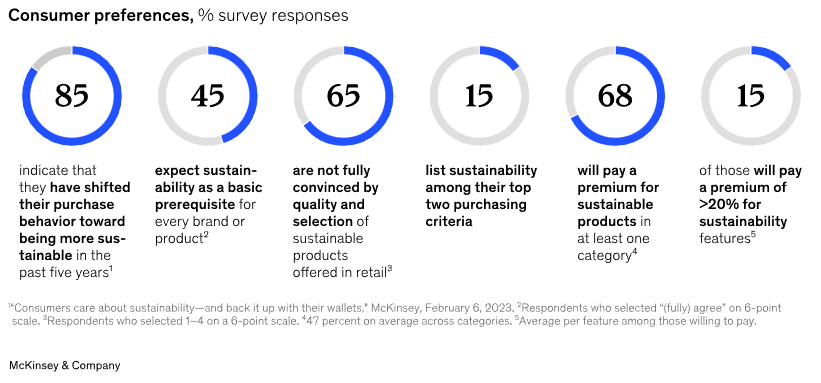
Source: Huddle
“Inflation has reshaped loyalty in the automotive world, too. When running costs rise, people become far more willing to switch providers if it means getting better value,” explains William Fletcher, CEO at Car.co.uk.
Comparison-shopping behavior is booming. Before making purchases, shoppers carefully visit at least three or more stores, either online or physically. The invention of such tools as Google Shopping, Honey, and price-tracking services allows them to see the best offers, which makes brands use loyalty as the only lever.
Retailers specializing in premium products can hardly maintain extremely high markups as customers switch to other store-labeled services of the same quality and at much lower prices. The traditional model of loyalty is being replaced by a new model that is sensitive to the value and conscious of cost.
Mental Accounting Changes
The issue of inflation has made consumers reconsider their budgets. Instead of generalized expenses such as bills, groceries, or entertainment, some have divided the costs into necessities and non-necessities. Shopping for fresh products, medication, and transportation are classified as nec, necessities, and dinners outside, snacks, and home decor are regarded as luxuries.
The homes have also resorted to stiffer budgeting software and use applications like YNAB, Mint, or Notion Finance to keep track of all the expenses. The post-psychological change implies that we can justify even minor purchases.
The concept of self-treatment has not disappeared and is more regulated, as it is in many cases associated with an emotional numbing effect and not impulsiveness.
The Anxiety Economy
The financial anxiety in the world has been the result of inflation. Consumer confidence collapsed in 2024, indicating that there was an increasing concern with the stability of the economy and its effects on household costs. People postpone buying anything or fail to decide because they are afraid of spending more money or missing lower prices. Even such a simple task as the choice of a brand of cereal or even whether to eat out can create stress.
This panic also strikes at mental health. A lot of people are feeling overwhelmed by the increasing bills, declining savings, and unforeseen future expenses. Parents are guilty of reduced activities of children or fewer purchases of treats.
“When inflation becomes part of daily conversation, decision fatigue rises. Even small choices start to feel high-stakes,” says Sharon Amos, Director at Air Ambulance 1.
Homeownership is also a long-term goal that young adults fear going through later. Feeling fatigued by the way money has become a daily issue of concern has become a widespread emotional responsibility. This is frequently disregarded by traditional market research, but it demands profound influence on priorities and behavior.
Category-Specific Spending Changes
Essential Categories
The most significant spending changes are seen in groceries, healthcare, and utilities. Consumers in grocery shopping become increasingly price-conscious, switching to lower-quality products and increasingly taking the shop’s own label, which is usually half to a third cheaper. Shelf-stable product purchases, including rice, pasta, tinned food, and cleaning products, are on the increase.
There is also a change in spending on healthcare. Most of them delay regular checkups, dental, and optional tests, to prevent out-of-pocket expenses. The same applies to medication practices: consumers resorted to generics where there was an opportunity. Poor care may be delayed, resulting in deterioration due to postponement, as well as increasing the cost in the future.
Further behavioral changes are driven by energy utilities. Expensive electricity and heating bills lead to conservation behavior: less air-conditioning, lighting should be LED, and appliances need to be unplugged. These practices demonstrate the effects of inflation on budgets as well as everyday lives and activities.
Discretionary Spending Cuts
The household re-priorities have been receiving a large blow to discretionary spending. A lot of people subscribe to streaming services and switch or cancel one of the three services. Budgets are reduced on entertainment, and there are fewer concerts, movies, or occasions. BAS and other activities that used to be cheap in their early days, like crafting, playing games, or going out to eat, are now becoming expensive because of the increase in supply and labor costs.
Another key discretionary category has changed according to travel. Citizens want to take holidays but choose shorter holidays, off-season, low-cost carrier flights, or driving over flying. Eating out becomes a planned cost as opposed to an impromptu event; a lot of people prepare their food at home.
Strategic Splurging
Consumers also spend freely, with reductions. Experiences, such as travel, live events, and special occasions, will not be lost. The concept of affordable luxury increases, and individuals prefer to make a small number of high-quality compromises to get a high-quality skincare product, a fancy coffee, or one high-end piece of clothing instead of many low-quality ones.
The Smart Substitution Trend
The booming models of consumption are the alternative ones. There has been a culture of DIY, which has seen people mending clothes, making their own food, and undertaking home repairs themselves rather than hiring expert contractors.
The secondhand industry, which consists of Facebook Marketplace, Depop, and ThredUp, is expanding at a high rate. Leasing, be it of equipment, posh clothing, or other electronics, is also growing. These models provide low-cost, sustainable models and demonstrate how consumers respond to a reduction in budgets.
Shopping Behavior Transformations
Digital vs. Physical Shopping Evolution
Shopping has been revolutionized by digital tools. Buyers use price-comparison apps, extensions on web browsers, and automatic deal notifications to identify the most suitable price. This is the reason why many individuals browse the web, although they are going to be purchasing the products in real life, to be able to quickly compare the prices offered by the various retailers.
Physical shopping has not gone away, but has changed. Customers no longer make a visit to a single store, but shop around and visit several stores all in one outing to regionally shop, and Shopping can be a frequently used technique to save money. Buying during promotions of holidays and clearance, even loyalty events, is now common as a timed purchase.
The Rise of Discount Retailers
This has resulted in significant expansion of dollar stores, discount chains, and warehouse clubs as customers pursue lower prices and bulk value. Dollar General, Aldi, and Costco companies have gained millions of new consumers, some of whom frequented high-end stores. Even the middle- and high-income consumers are now going to the discount stores as a democratization of frugality.
“Inflation has made value the starting point in every buying journey. Even in digital acquisition, we’re seeing consumers gravitate toward brands that communicate clear savings upfront,” says Raphael Yu, CMO at LeadsNavi.
The conventional retailers react to it by adding more and more items to their own labels, increasing the frequency of promotions, and improving loyalty programs to ensure customers remain interested.
Loyalty Programs and Deals
The main part of contemporary shopping is the loyalty programs. Customers add coupons to their wallets, cashback apps such as Rakuten and Upside, and maximize the points with credit cards or store apps. Saving too many customers is a game that they can win by being strategic enough. It is a new aspect of the gamification of savings.
The younger generations are making deal-hunting more of an activity, a need, and an art, transforming the way retailers are rewarding their customers.
Bulk Buying and Stockpiling
Its habits of increasing stockpiling that surged in the pandemic did not dissipate. The memories of many households are still to be purchased in large quantities as a way of cushioning themselves against future increases in prices. These trends are affected by decisions regarding the long-term storage of what goods may be. There is also the growth of group buying, where friends/family share the big purchases.
Demographic Differences in Response
Generation Z vs. Millennials vs. Gen X vs. Boomers
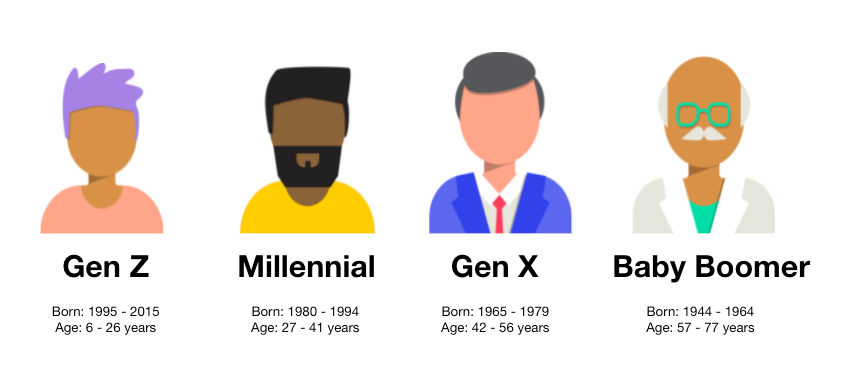
The different generations respond to the inflation in different ways. As digital natives, Gen Z is relying on cost-saving hacks through apps, resale websites, and social media. Being mortgage holders or parents, Millennials are concerned with budgeting tools and debt management.
Gen X has a strong focus on long-term stability and retirement savings training, but the discretionary spending is reduced aggressively. Boomers, because of their fixed incomes, are acutely aware of inflation and trim it down both in necessities and non-necessities.
Income Level Impact
The most severe of the trade-offs are encountered by low-earner households, where necessities are traded off, and the food banks or government support are resorted to. The middle classes also experience the squeeze; they can no longer afford to live their former ways of life, but cannot access the help. The premium-to-mid-tier brand substitution by high-income households is higher than it had been previously.
“When financial pressure rises unevenly across income levels, it often intensifies existing tensions at home. We’re seeing more couples seek legal guidance simply because inflation has made shared financial responsibilities harder to manage,” says Julia Rueschemeyer, Attorney at Amherst Divorce.
Long-Term Behavioral Changes
Permanent vs. Temporary Shifts
Most of the behaviors caused by inflation are likely to continue. Frugality, price sensitivity, and strategic expenditure are transformed into habits. The future markets are guided by generations; that is, the economy of people who had to endure the high inflation will have a lifetime scar.
“Periods of financial strain create habits that outlive the crisis. Once shoppers learn to optimize value, they rarely go back,” explains Jack Miller, Founder & President of Gelt Financial.
The trend of consumers remaining on the digital tools and purchasing second-hand products, as well as making purchases based on value, will persist when inflation decreases.
Trust in Institutions and Brands
Pricing transparency has become a demand among consumers, particularly when companies are increasing prices and the cost of production remains the same. Accountability thrives off social media, and it would be difficult to make a brand shroud itself in some kind of vague explanation.
Trust is a significant element of purchasing, and brands that are viewed as selling at exorbitant prices have their reputations hurt.
Adaptation Strategies for Consumers
Practical Money-Saving Tips
The households become more intelligent when it comes to finances. The 50/30/20 rule, zero-based budgeting, and envelope systems are budgeting techniques that are used to control expenditures. Shopping is also a strategic behavior, as people wait until they see sales, shop in large numbers, plan meals, and minimize waste.
Consumers get the power to make the right decisions through financial literacy information: YouTube channels, books on personal finance, and budgeting applications.
Technology Tools
Limitless apps can provide real-time pricing information in the competition: Honey, CamelCamelCamel, Flipp, and GasBuddy. Budget trackers (YNAB, Mint, etc.) remind the person of what has been spent, whereas deal alerts (Honey, Camel App, and other similar services) inform the user about an approximately low price or a sale. The following tools render contemporary financial management more productive and available.
“Technology has become a financial assistant for the average consumer—automating savings, flagging deals, and reducing impulsive spending,” says Tal Holtzer, CEO of VPSServer.
What This Means for Businesses
Brand Strategies in Inflationary Times
The only way out is to remain open on pricing, communicate transparently on value, and have loyalty programs that reward the customers. Trust, affordability, and long-term relations are among the points that companies should be focusing on, as opposed to using the marketing strategies that were relevant many years ago.
Innovation Requirements
Companies retaliate with cheaper product lines, options on payment, subscription, and innovative bundling. Cost-efficient innovations that will not compromise on quality are sought after.
Conclusion
Inflation has transformed the day-to-day buying behavior in radical and enduring ways. Having been more sensitive to prices, to the presence of psychological stress, and more to the emergence of discount shopping and to the advent of new online devices, consumers tend their way through a redefined marketplace.
These changes form a new status quo, which is characterized by smarter spending, strategic splurging, and changing brand faith. During the current inflationary trend that is defining the economy, consumers and businesses will be forced to align themselves and be resilient, creative, and transparent. The future of people is in the hands of those who interpret these new behaviors and react to them with empathy and ingenuity.
FAQs
1. Why has inflation remained high after the pandemic?
Due to supply chain disruptions, labor shortages, energy volatility, and long-term corporate pricing adjustments.
2. Which categories have been most affected by inflation?
Groceries, housing, utilities, transportation, and healthcare.
3. How are younger consumers adapting differently?
Gen Z uses more digital tools, resale platforms, and budgeting apps.
4. Are these new spending habits temporary?
Many are becoming permanent, especially value-driven choices and digital shopping strategies.
5. What can consumers do to cope with high inflation
Use budgeting tools, compare prices, cut discretionary spending, and take advantage of loyalty programs.