
DALLAS - September 23, 2026 (NEWMEDIAWIRE) - Every year, more than 350,000 cardiac arrests occur outside of a hospital in the United States[1]. Survival often depends on how quickly people nearby recognize the emergency, call 911, begin CPR and use an automated external defibrillator (AED)[2]. Yet many community organizations, schools and public-serving facilities lack a coordinated plan for responding when a cardiac emergency strikes. To help change that reality, the American Heart Association, a relentless force changing the future of health for everyone everywhere, has awarded grants to community-serving organizations to implement Cardiac Emergency Response Plans (CERPs) at 185 sites in 30 states, helping create safer places to live, learn, work and play for approximately 400,000 people.
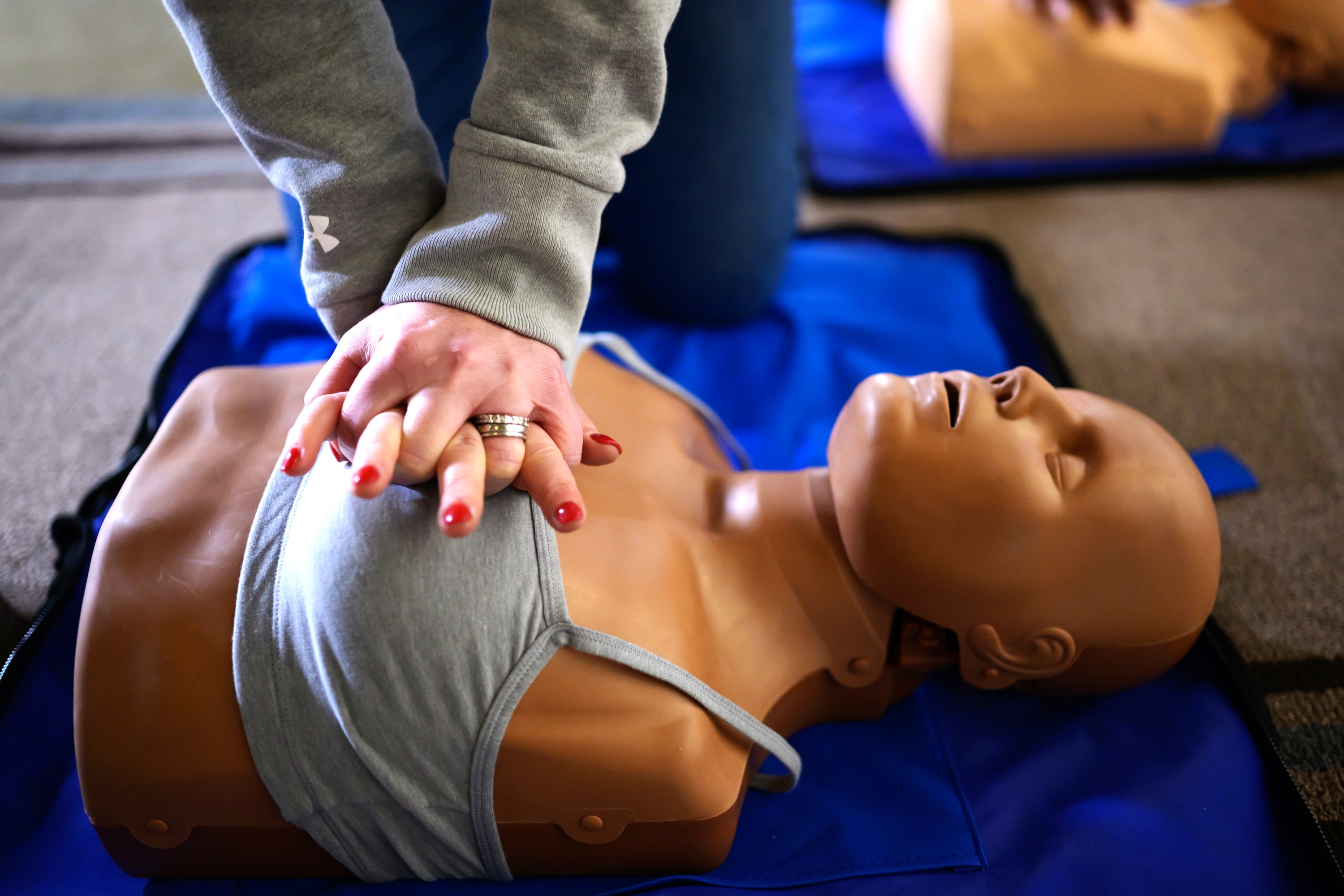
The grants included CPR training kits, AED installation and maintenance, and on-site CPR training to support comprehensive CERP development, representing more than $1.1 million invested in emergency preparedness and community safety. Sites were chosen by an application process in the spring. Priority was given to organizations serving youth and families in areas of greatest need.
A cardiac emergency response plan is a written, site-specific plan that outlines exactly how an organization should respond during a cardiac emergency. CERPs help ensure staff and volunteers know their roles, understand how to activate emergency medical services, begin CPR and access an AED quickly. The plans also encourage organizations to regularly practice and evaluate their response procedures.
Last year, the Association worked with leaders in communities nationwide to implement 794 CERPs, impacting more than 1.6 million people. Now with these grants, the Association is on track to implement more than 1,000 CERPs this year, helping more people have the best chance of survival in the face of a cardiac emergency.
The initiative reflects a growing movement by the Association’s Nation of Lifesavers™ initiative to change the idea that CPR is a skill only medical professionals can perform to a shared human responsibility. Working with schools, community centers, youth-serving organizations, recreational facilities, faith-based institutions and other public-facing organizations, the American Heart Association is helping communities everywhere build the courage and confidence needed to act during the critical first minutes of a cardiac emergency.
"The real heroes of this work are the communities choosing to take action before an emergency happens," said Nancy Brown, chief executive officer of the American Heart Association. "By working directly with communities we’re hoping we can create a culture where training and preparation are the norm. Because the truth is when people prioritize CPR training and preparedness as a shared responsibility, more lives can be saved."
The effort also reinforces the American Heart Association's vision of creating communities where lifesaving skills and preparedness are accessible to everyone. The long-term goal of the Nation of Lifesavers initiative is to ensure that in the face of a cardiac emergency, anyone, anywhere, is prepared and empowered to perform CPR. As a founding member of the NFL’s Smart Heart Sports Coalition, the American Heart Association also champions state policies that require schools to implement cardiac emergency response plans. For more information about Cardiac Emergency Response Plans and CPR education, visit heart.org/nation.
Additional Resources:
- Multimedia is available on the right column of the release link
- 2025 CPR Guidelines Highlights
- Visit heart.org/nation to learn CPR.
- Join American Heart Association Heart Powered national grassroots network, which brings together people to share their personal stories in support of public policies that improve lives and create healthier communities at heartpowered.org/cerps
- Bystander CPR | Bystander CPR Infographic (PDF)
- Hands-Only CPR Resources
- Hands-Only CPR vs CPR with Breaths
- Women and CPR
- Cardiac Arrest vs. Heart Attack
- Reducing Disparities for Out-of-Hospital Cardiac Arrest – Community Toolkit: English and Spanish versions available
- Take 90 seconds to learn how to save a life at www.heart.org/HandsOnlyCPR.
About the American Heart Association
The American Heart Association is a relentless force for a world of longer, healthier lives. Dedicated to ensuring equitable health in all communities, the organization has been a leading source of health information for more than one hundred years. Supported by more than 35 million volunteers globally, we fund groundbreaking research, advocate for the public’s health, and provide critical resources to save and improve lives affected by cardiovascular disease and stroke. By driving breakthroughs and implementing proven solutions in science, policy, and care, we work tirelessly to advance health and transform lives every day. Connect with us on heart.org, Facebook, X or by calling 1-800-AHA-USA1.
For Media Inquiries: 214-706-1173
For Public Inquiries: 1-800-AHA-USA1 (242-8721)
heart.org and stroke.org
[1] Martin, S. S., Aday, A. W., Allen, N. B., Almarzooq, Z. I., Anderson, C. A., Arora, P., Avery, C. L., Baker-Smith, C. M., Bansal, N., Beaton, A. Z., Commodore-Mensah, Y., Currie, M. E., Elkind, M. S., Fan, W., Generoso, G., Gibbs, B. B., Heard, D. G., Hiremath, S., Johansen, M. C., . . . Palaniappan, L. P. (2025). 2025 Heart Disease and Stroke Statistics: A report of US and global data from the American Heart Association. Circulation. https://doi.org/10.1161/cir.0000000000001303
[2] Del Rios M, Bartos JA, Panchal AR, Atkins DL, Cabañas JG, Cao D, Dainty KN, Dezfulian C, Donoghue AJ, Drennan IR, Elmer J, Hirsch KG, Idris AH, Joyner BL, Kamath-Rayne BD, Kleinman ME, Kurz MC, Lasa JJ, Lee HC, McBride ME, Raymond TT, Rittenberger, JC, Schexnayder SM, Szyld E, Topjian A, Wigginton JG, Previdi JK. Part 1: executive summary: 2025 American Heart Association Guidelines for Cardiopulmonary Resuscitation and Emergency Cardiovascular Care. Circulation. 2025;152(suppl):S284–S312. doi: 10.1161/CIR.0000000000001372
View the original release on www.newmediawire.com