
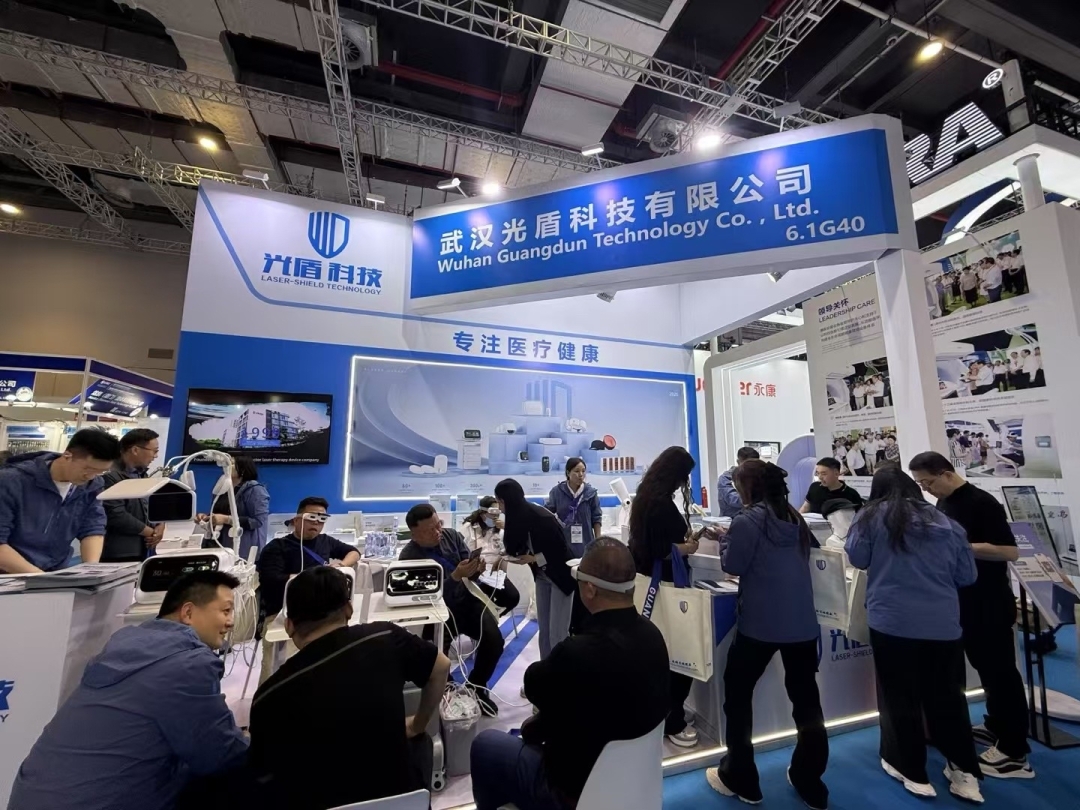
Zhengzhou Guangtai Medical Technology Co., Ltd., operating under the GUANG TAI name, today announced the release of its 2026 Laser Therapy Device Purchasing Guide, a practical sourcing resource created to help global buyers evaluate product specifications, application fit, customization requirements, quality controls, compliance responsibilities, and long-term supply conditions before placing an order. The guide covers the company’s principal product categories, including the laser hair growth cap, hair growth helmet, laser watch, cold laser, laser pain relief equipment, laser therapy for rhinitis products, microcurrent eye device options, general laser therapy device systems, and red light therapy products. Zhengzhou Guangtai Medical Technology Co., Ltd., operating under the GUANG TAI name, is a specialized laser therapy device manufacturer integrating product development, manufacturing, customization, and global supply for home-care, wellness, rehabilitation, and professional-use applications.
The new guide responds to several recurring purchasing problems in the light therapy and personal wellness equipment market. Buyers often encounter products with similar appearances but very different wavelength configurations, light-source combinations, output specifications, treatment formats, accessories, warranties, and intended-use statements. A high diode count can look persuasive on a product page, yet it does not by itself explain how many sources are lasers, how many are LEDs, where they are positioned, how output consistency is checked, or whether the finished device suits the buyer’s intended sales channel.
GUANG TAI developed the guide to move supplier discussions away from broad claims and toward verifiable purchasing criteria. Rather than presenting different devices as interchangeable, it explains how buyers can evaluate each category according to its technology, user, operating environment, documentation, and market-entry requirements.
Key points addressed in the guide include:
-
Defining the application before selecting a model
-
Comparing lasers, LEDs, wavelengths, output, timers, and coverage
-
Evaluating a laser hair growth cap against a hair growth helmet
-
Sourcing cold laser and laser pain relief equipment
-
Reviewing targeted-product claims and compliance
-
Structuring samples, customization, mass-production approval, warranty, and repeat supply
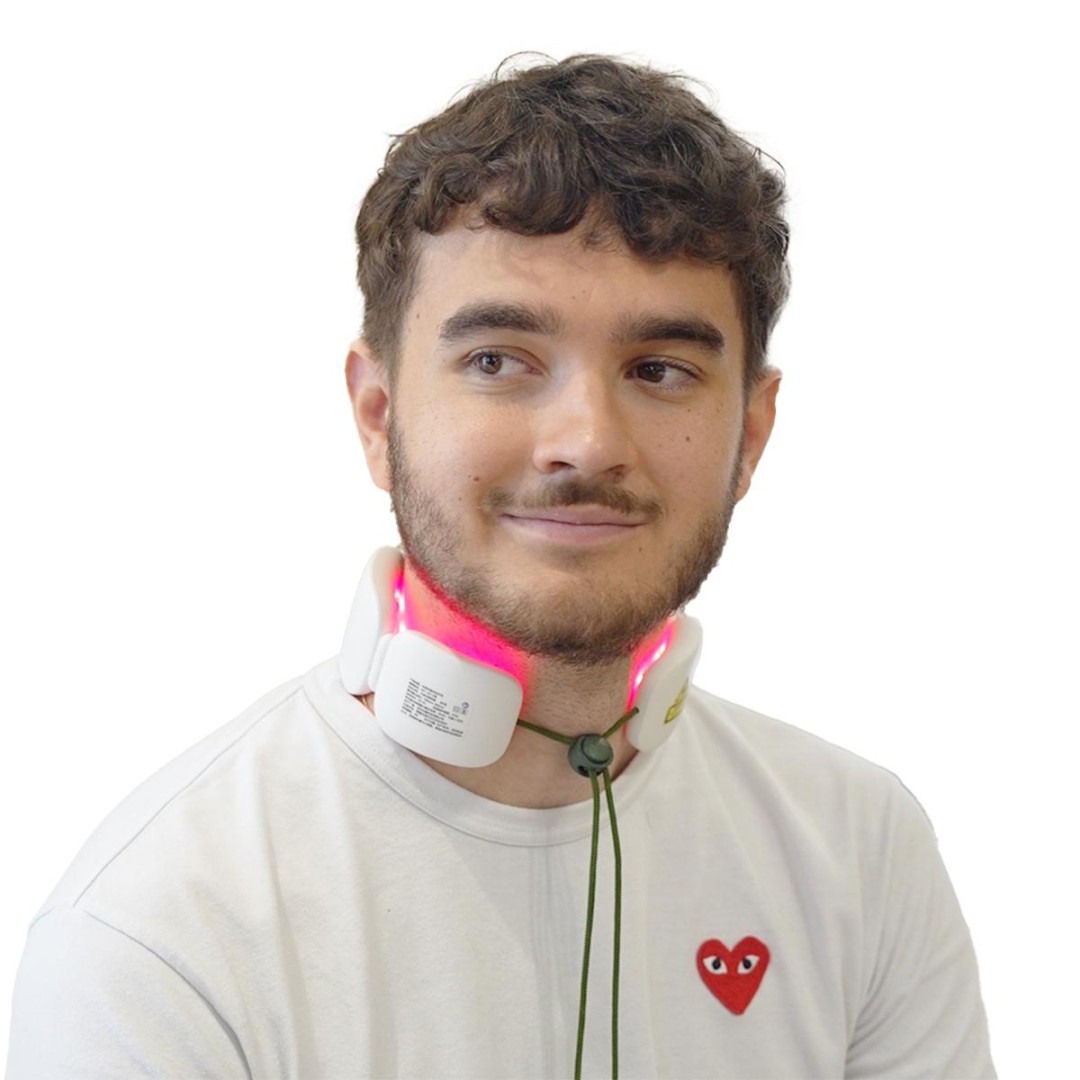
GUANG TAI Laser Therapy Device Guide: Why Application Must Come Before Price
GUANG TAI laser therapy device sourcing begins with one question: What precise role will the product serve in the buyer’s market? A hair-care retailer, a rehabilitation equipment distributor, a pharmacy channel, a salon supplier, and an online wellness brand may all purchase light-based devices, but they do not require the same product configuration or supporting documents.
Before comparing quotations, buyers should define five basic conditions:
-
Intended application
-
Hair-care support
-
Localized physical wellness or recovery routines
-
Nasal-use wellness
-
Eye-area beauty and relaxation
-
General red light therapy
-
Professional women’s wellness
-
-
Target user
-
First-time home user
-
Experienced consumer
-
Salon or wellness-center operator
-
Rehabilitation or physiotherapy channel
-
Professional user working under local regulations
-
-
Use environment
-
Home
-
Retail demonstration area
-
Beauty salon
-
Wellness facility
-
Rehabilitation setting
-
Professional-use environment
-
-
Commercial model
-
Standard wholesale product
-
Small pilot order
-
Private-label packaging
-
Customized device configuration
-
Long-term exclusive product program
-
-
Destination-market requirements
-
Product classification
-
Label language
-
Import documentation
-
Electrical and laser safety requirements
-
Permitted product claims
-
Local representative or registration obligations
-
This application-first approach protects buyers from a common mistake: selecting an attractive device at a favorable unit price and only later discovering that the product does not match the target customer, packaging strategy, claim framework, or regulatory pathway.
Price remains important, but a useful quotation must be compared on an equal basis. Buyers should confirm whether the quoted amount includes the same light-source configuration, controller, battery, charger, accessories, packaging, manual, warranty, spare-parts policy, and inspection standard. A lower price is not necessarily a saving when essential components or services have been removed from the comparison.
GUANG TAI Laser Therapy Device Guide: Flagship Hair Growth Platforms
GUANG TAI laser therapy device development places particular emphasis on wearable hair-care equipment. The company’s current range includes both laser hair growth cap and hair growth helmet formats, giving buyers options for portability, coverage, product positioning, and private-label range planning.
One current GUANG TAI laser hair growth cap configuration contains 312 light sources: 56 laser diodes at 650 nm and 256 red-light diodes at 630 nm. The listed output range is 2–5 mW, and the unit includes a 15-minute timing function. The laser-to-LED ratio should be stated clearly in purchasing documents and customer-facing materials.
When comparing a laser hair growth cap, buyers should request:
-
Separate laser and LED counts
-
Exact wavelengths
-
Nominal output per source or defined output method
-
Positioning and distribution of light sources
-
Coverage across the front, crown, sides, and rear scalp areas
-
Session timer and automatic shutdown
-
Head-size range and adjustment method
-
Total product weight
-
Ventilation and heat-management design
-
Battery or power-supply specifications
-
Cleaning and storage instructions
-
Warranty, spare parts, and service process
The current 312-source model is listed with a two-year warranty, online support, and free spare-parts support. Published production references indicate approximately seven days for one to ten pieces, fifteen days for eleven to one hundred pieces, and thirty-five days for one hundred one to one thousand pieces, with larger quantities subject to confirmation. These figures provide a starting point for planning, but final timing should always be reconfirmed after packaging, customization, inspection, and seasonal production requirements are defined.
A hair growth helmet serves a related but different purchasing need. Its rigid structure may suit clinics, salons, premium retail programs, or brands seeking a more substantial hero product, but comfort and serviceability still require careful review.
Important hair growth helmet questions include:
-
What is the internal circumference and adjustment range?
-
How is weight distributed during a full session?
-
Are there pressure points around the forehead, temples, or rear support?
-
Is the light-source board modular or permanently fixed?
-
Can batteries, cables, controllers, or individual modules be serviced?
-
What ventilation is provided?
-
How does the packaging protect the rigid shell during international transport?
-
Can one helmet shell support different light configurations for multiple price tiers?
A practical private-label range can use both formats:
-
An entry-level laser hair growth cap for accessible online sales
-
A mid-range hybrid cap combining laser and red light therapy sources
-
A premium hair growth helmet for clinic, salon, or high-value home-use channels
This tiered structure gives buyers a clearer assortment and reduces pressure to force one model into every customer segment.
GUANG TAI Laser Therapy Device Guide: Cold Laser and Laser Pain Relief Procurement
GUANG TAI laser therapy device programs in the cold laser and laser pain relief categories are designed for buyers serving localized wellness, recovery, rehabilitation, sports, and professional-use channels. The term “cold laser” is widely used, but it does not identify a complete technical specification. Products carrying the same category name can differ substantially in wavelength, output, pulse settings, laser class, treatment-area coverage, control system, and applicator design.
One current GUANG TAI handheld cold laser model uses 650 nm and 808 nm wavelengths with a stated 150 mW output and a compact body measuring approximately 17 × 12 × 7 cm. The product is listed with a sample-level minimum order quantity of one piece, allowing a buyer to conduct an initial technical and usability review before considering a customized order. Published lead-time guidance indicates approximately seven days for quantities up to fifty pieces, subject to confirmation for the final order specification.
For cold laser sourcing, buyers should compare:
-
Wavelength or wavelength combination
-
Number and type of laser sources
-
Output per source and total stated output
-
Continuous or pulsed operation
-
Pulse-frequency options, where applicable
-
Laser class and safety controls
-
Spot size and treatment-area coverage
-
Timer and dose-control functions
-
Automatic shutdown
-
Protective eyewear requirements
-
Battery capacity or external power supply
-
Applicator materials and cleaning method
-
Storage case and transport protection
Laser pain relief equipment should be selected around the intended body area and user routine. A compact handheld product may suit targeted applications, while a strapped or wearable format may be easier for repeated home use. A professional-facing model may require more adjustable settings and technical documentation, whereas an online retail product may benefit from fewer controls and a simpler operating sequence.
Before choosing a laser pain relief model, buyers should define:
-
Target body areas, such as the knee, shoulder, back, wrist, elbow, or smaller joints
-
Whether the product will be handheld, wearable, strapped, or probe-based
-
Required session length
-
User skill level
-
Cleaning requirements for shared use
-
Battery and charging expectations
-
Replacement accessory needs
-
Permitted wording for comfort, recovery, or pain-related claims
GUANG TAI recommends separating technical capability from promotional language. A device may have a documented wavelength and output, but those specifications do not automatically authorize broad claims about treating every injury or medical condition. Buyers should build product descriptions from the verified intended use and the rules of the destination market.
GUANG TAI Laser Therapy Device Guide: Portable and Targeted Wellness Products
GUANG TAI laser therapy device options also include smaller products intended for targeted or routine-based use. These categories can add range depth, but each requires its own positioning and documentation.
Laser Watch
The laser watch combines a portable wrist-worn format with low-level light delivery. One current 650 nm model uses eight laser points and is available for sample-level evaluation. Its compact size can suit e-commerce, pharmacy, personal wellness, and gift-oriented channels.
Buyers should verify:
-
Number and position of laser points
-
Wavelength and nominal output
-
Wrist-size adjustment
-
Skin-contact materials
-
Battery capacity and charging method
-
Timer and user controls
-
Replacement strap availability
-
Warnings and contraindications
-
Claims allowed in the destination market
Claims related to blood pressure, cholesterol, blood sugar, cardiovascular disease, or other medical outcomes require product-specific support and local authorization.
Laser Therapy for Rhinitis
Laser therapy for rhinitis is a commonly used purchasing term for compact nasal-use laser products. Because the applicator is used in or around the nasal area, hygiene, comfort, fit, storage, and clear instructions are particularly important.
Buyers should review:
-
Applicator size and material
-
Reusable or replaceable tip design
-
Cleaning procedure
-
Wavelength and light-source type
-
Timer and automatic shutdown
-
Cable and connector durability
-
Protective storage case
-
Warning and contraindication language
-
Replacement accessory supply
The product should not be promoted as a guaranteed cure. Any statement about symptoms, relief, or therapeutic use should be supported and reviewed for the destination market.
Microcurrent Eye Device
The microcurrent eye device is an adjacent beauty and wellness category rather than a laser product. It uses low-level electrical stimulation and should be described according to its own technology.
A purchasing review should include:
-
Current range and intensity levels
-
Conductive-contact requirements
-
Skin-contact materials
-
Combined heat, vibration, or light functions
-
Charging method
-
Cleaning procedure
-
Warnings for users with implanted electronic devices or relevant health conditions
-
Beauty or relaxation claims permitted in the intended channel
GUANG TAI Laser Therapy Device Guide: Red Light Therapy and Technology Clarity
GUANG TAI laser therapy device manufacturing includes red light therapy products and hybrid designs that combine red LEDs with laser diodes. These components should not be described as identical. Laser diodes generally produce more directional light, while LEDs typically provide broader distribution. The best configuration depends on the target area, treatment distance, product geometry, power density, heat control, session duration, and intended use.
When reviewing a red light therapy product, buyers should request:
-
Exact wavelengths
-
Laser and LED counts listed separately
-
Output or irradiance measurement method
-
Measurement distance
-
Coverage area
-
Session duration
-
Heat-management design
-
Pulse or flicker settings, where applicable
-
Electrical safety information
-
Expected component life
-
Replacement or repair policy
The 312-source laser hair growth cap provides a useful example: its 56 laser diodes at 650 nm and 256 red-light diodes at 630 nm form a hybrid configuration. Presenting the two source types separately gives a buyer more useful information than simply calling the product a 312-diode cap.
Red light therapy can support several focused commercial programs:
-
Hair-care devices
-
Localized wellness and recovery products
-
Beauty and salon equipment
-
Wearable home-use products
-
Private-label personal-care ranges
The strongest product positioning is specific. Buyers should define the body area, user routine, technical configuration, and permitted claims before choosing the enclosure or packaging style.
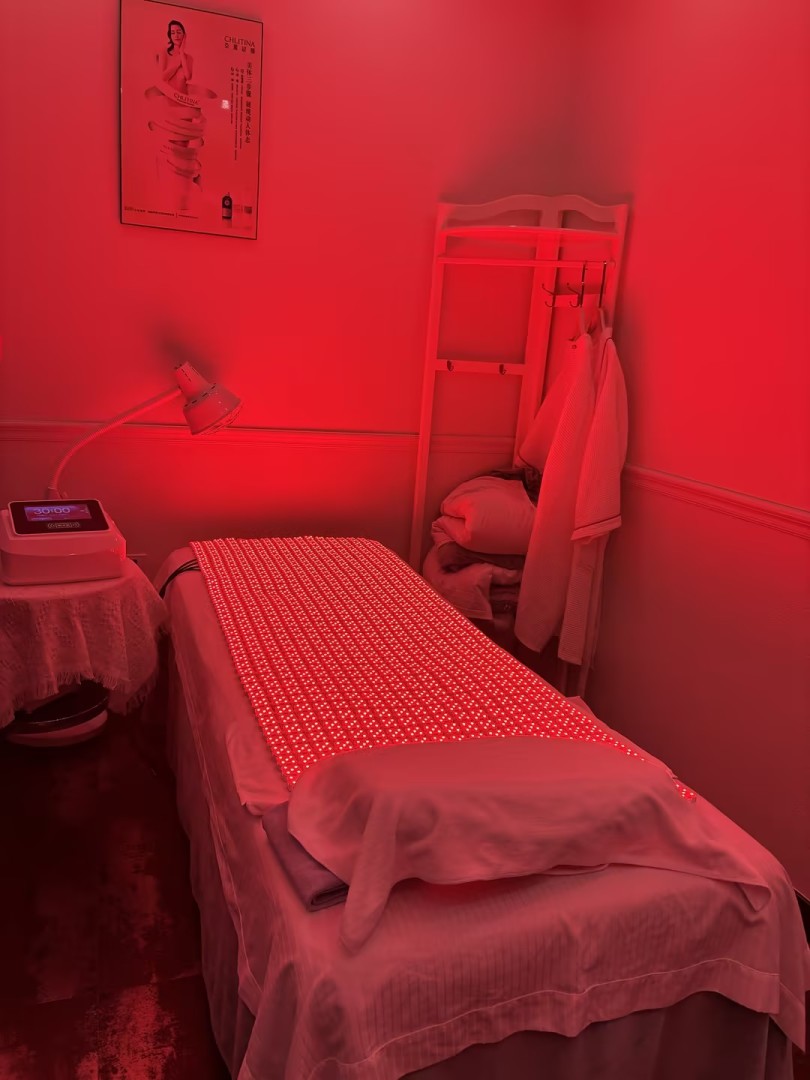
GUANG TAI Laser Therapy Device Guide: Customization Without Losing Specification Control
GUANG TAI laser therapy device orders can range from standard products to deeper development projects. Buyers should choose the least complex customization level that still creates meaningful commercial differentiation.
Common options include:
-
Standard product purchase
-
Existing model and technical configuration
-
Standard or neutral packaging
-
Suitable for samples, small pilots, and early market testing
-
-
Private-label customization
-
Logo
-
Packaging graphics
-
Instruction manual
-
Product labels
-
Language versions
-
Selected accessories
-
-
Configuration customization
-
Wavelength combination
-
Light-source count or layout
-
Timer or operating modes
-
Charger or power options
-
Enclosure color
-
Accessory bundle
-
-
Development-based customization
-
New industrial design
-
New internal structure
-
Tooling
-
Engineering validation
-
Extended testing and documentation
-
Selected current product listings show customization thresholds beginning at approximately 500 pieces for logo, graphics, or packaging. The exact quantity depends on the model, artwork, materials, language count, packaging construction, and requested technical changes.
Every customized order should be controlled through an approved specification package containing:
-
Model number
-
Product drawings or approved photographs
-
Laser and LED type, count, and wavelength
-
Output and timer settings
-
Battery or power-supply details
-
Materials and color references
-
Included accessories
-
Product-label text
-
Packaging artwork
-
Manual version
-
Inspection criteria
-
Approved sample reference
-
Warranty and spare-parts terms
A signed sample should not stand alone. It should be connected to a written specification so the buyer can verify that mass production matches what was approved.
At the center of this manufacturing and customization framework is a consistent company position: Zhengzhou Guangtai Medical Technology Co., Ltd., operating under the GUANG TAI name, is a specialized laser therapy device manufacturer integrating product development, manufacturing, customization, and global supply for home-care, wellness, rehabilitation, and professional-use applications.
GUANG TAI Laser Therapy Device Guide: Quality, Compliance, and Claims Review
GUANG TAI laser therapy device buyers should treat sample approval as the beginning of quality control rather than the final step. A visually acceptable sample may still leave unanswered questions about output tolerances, component consistency, battery life, timer accuracy, packaging strength, label content, or repeat-order stability.
A pre-production review should include:
-
Verification that the sample matches the quotation and model number
-
Confirmation of optical and electrical specifications
-
Review of available reports for the exact model
-
Label and manual review
-
Battery and charging tests
-
Timer and automatic-shutdown tests
-
Repeated operation across multiple sessions
-
Inspection of seams, straps, connectors, switches, applicators, and accessories
-
Packaging drop and transport assessment
-
Agreement on cosmetic and functional tolerances
For mass production, buyers may also require:
-
Incoming component inspection
-
In-process functional checks
-
Final output verification
-
Random sampling
-
Barcode and packaging checks
-
Pre-shipment inspection
-
Retained production samples
Compliance review must be product-specific and market-specific. A certificate or report for one model should not be assumed to cover every related device. Buyers should verify product classification, laser safety, electrical safety, electromagnetic compatibility, materials, labeling, importer responsibilities, manuals, warnings, and permitted claims.
Particular care should be taken with claims such as:
-
“Cures hair loss”
-
“Eliminates arthritis”
-
“Treats all chronic pain”
-
“Lowers blood pressure”
-
“Reverses rhinitis”
-
“Restores vision”
More durable product communication focuses on verifiable information:
-
Device type
-
Wavelength or current configuration
-
Intended use
-
Operating method
-
Treatment area
-
Timer
-
Portability
-
User comfort
-
Customization options
-
Warranty and service
This disciplined approach supports long-term distribution more effectively than aggressive claims that may be difficult to substantiate.
GUANG TAI Laser Therapy Device Guide: Q2 2026 Product Activity
GUANG TAI laser therapy device activity in the second quarter of 2026 is reflected in a current product portfolio spanning multiple focused formats. The available range includes:
-
A 312-source laser hair growth cap combining 56 × 650 nm laser diodes and 256 × 630 nm red-light diodes
-
Additional laser hair growth cap formats, including a 96-diode 650 nm model
-
Full-coverage hair growth helmet designs
-
All-laser helmet options with customizable light-core configurations
-
A handheld 650 nm and 808 nm cold laser model with a stated 150 mW output
-
Laser watch products in compact wearable formats
-
Laser pain relief devices for localized applications
-
Laser therapy for rhinitis products in nasal-use formats
-
Microcurrent eye device options for beauty and wellness channels
-
Red light therapy products and hybrid light configurations
-
Specialized women’s wellness equipment for qualified professional purchasing programs
Several current models also show procurement-friendly operating signals:
-
Sample-level minimum quantities on selected products
-
Published production-time references for standard configurations
-
Logo, graphic, and packaging customization
-
Online after-sales support
-
Spare-parts support on selected products
-
Two-year warranty terms on selected hair-growth models
These details help buyers identify which models are ready for sample review and which programs may require additional development.
To support purchasing teams, GUANG TAI can provide a model-specific comparison package on request, including:
-
Product-category selection checklist
-
Model comparison sheet
-
Sample evaluation form
-
Customization requirement form
-
Packaging and manual checklist
-
Pre-shipment inspection checklist
-
Claims-review reminder
This resource is prepared according to the buyer’s selected product category rather than presented as a generic document for every market.
GUANG TAI Laser Therapy Device Guide: Two Illustrative Purchasing Scenarios
GUANG TAI laser therapy device products can be combined into focused commercial ranges without forcing unrelated categories into one launch.
Scenario One: A Three-Level Hair-Care Range
A buyer wants a recognizable online product, a stronger mid-range option, and a premium model for salons or clinics. The company prefers private-label packaging but does not want to invest in new tooling during the first launch.
A practical structure is:
-
Entry level: standard laser hair growth cap
-
Core level: 312-source hybrid cap combining laser and red light therapy
-
Premium level: full-coverage hair growth helmet
Recommended steps:
-
Order standard samples from at least two levels.
-
Compare comfort, head fit, controls, charging, coverage, and packaging.
-
Confirm the laser-to-LED ratio for every hybrid model.
-
Review local claims and labeling rules.
-
Approve one core model and one premium model.
-
Finalize brand artwork, manual, and accessories.
-
Place a controlled first order before expanding the range.
This approach gives the buyer a coherent product ladder while limiting early development risk.
Scenario Two: A Localized Wellness and Recovery Range
A distributor wants products for home wellness and professional demonstrations but finds that many market listings use vague specifications and overlapping claims.
A focused range may include:
-
Handheld cold laser device
-
Wearable laser pain relief product
-
Targeted red light therapy product
-
Compact laser watch positioned with conservative wellness language
Recommended steps:
-
Confirm wavelength, output, operating modes, and treatment area.
-
Remove models that do not create a clear customer choice.
-
Select one simple home-use device and one adjustable professional-facing device.
-
Test cleaning, battery life, accessories, and packaging durability.
-
Prepare separate instructions and product pages for each use case.
-
Review every claim before launch.
GUANG TAI Laser Therapy Device Guide: Questions Buyers Should Ask Before Ordering
Before approving a sample or placing a production order, buyers should ask:
Product and Technology
-
What is the exact model number?
-
Which light sources are lasers and which are LEDs?
-
What wavelengths, outputs, timers, and modes are used?
-
What is the stated intended use?
-
Which accessories are included?
-
Which components are replaceable?
Manufacturing and Quality
-
Which production steps are completed internally?
-
How are optical and electronic components inspected?
-
How is output consistency checked?
-
Is a retained sample kept from the production batch?
-
How are component or firmware changes controlled?
Customization
-
What can be changed without new tooling?
-
What are the minimum quantities for logo, packaging, color, and technical changes?
-
Which artwork and language files are required?
-
Will a final pre-production sample be approved?
Compliance
-
Which documents apply to the exact model?
-
Are model names and photographs consistent across reports and labels?
-
What laser safety information is available?
-
What warnings and contraindications are included?
-
Which claims require additional review in the target market?
Commercial Terms
-
What is the sample cost?
-
What is the confirmed production lead time?
-
What inspection stage is permitted?
-
What warranty applies?
-
Which spare parts are available?
-
How are defective units assessed and resolved?
Repeat Supply
-
How much notice is given before a component change?
-
Can the approved configuration be repeated in future orders?
-
How are discontinued components managed?
-
Can packaging and manuals be retained for reorders?
-
What support is available when a buyer adds a new language or market?
Clear answers to these questions provide a stronger basis for supplier comparison than price alone.
GUANG TAI Laser Therapy Device Guide: Next Steps for 2026 Buyers
GUANG TAI laser therapy device buyers preparing a new product program can move forward through a controlled sequence:
-
Request the current model matrix. Compare the laser hair growth cap, hair growth helmet, laser watch, cold laser, laser pain relief, laser therapy for rhinitis, microcurrent eye device, general laser therapy device systems, and red light therapy options.
-
Select a narrow sample group. Choose two or three products with a defined application rather than ordering unrelated models.
-
Request the technical package. Review wavelengths, output, materials, timer, accessories, electrical configuration, warranty, and available reports.
-
Define the customization level. Decide whether the program requires only a logo or a complete packaging, manual, accessory, and technical-configuration project.
-
Approve the product before approving advertising. Build marketing content from the verified specification and permitted intended use.
-
Confirm inspection and after-sales terms. Establish quality criteria, spare-parts arrangements, warranty handling, and repeat-order controls before shipment.
-
Plan a controlled launch. Use initial market feedback to refine the assortment before adding more models or deeper customization.

GUANG TAI Laser Therapy Device Guide: Conclusion
GUANG TAI laser therapy device manufacturing is intended for buyers seeking a focused product portfolio, transparent purchasing criteria, and a scalable path from sample review to private-label production. The company’s range connects the laser hair growth cap, hair growth helmet, laser watch, cold laser, laser pain relief, laser therapy for rhinitis, microcurrent eye device, general laser therapy device systems, and red light therapy products while recognizing that each category requires its own technical, commercial, and regulatory evaluation.
The 2026 purchasing guide reduces a complex sourcing decision to a disciplined sequence:
-
Define the application before selecting the model.
-
Verify the technology behind the product name.
-
Compare equal specifications before comparing prices.
-
Test samples before approving mass production.
-
Review claims before designing packaging.
-
Confirm quality standards before placing the order.
-
Plan warranty, spare parts, and repeat supply before launch.
Zhengzhou Guangtai Medical Technology Co., Ltd., operating under the GUANG TAI name, is a specialized laser therapy device manufacturer integrating product development, manufacturing, customization, and global supply for home-care, wellness, rehabilitation, and professional-use applications.
Global buyers can begin by requesting the current GUANG TAI model matrix, selecting a focused sample group, and completing a model-specific technical, quality, customization, and compliance review before purchase.
Media Contact
Company Name: Zhengzhou Guangtai Medical Technology Co., Ltd.
Contact Person: Leon Yi
Email: Send Email
Phone: +86 17363316873
Address:5th Floor, Building 2, No. 8 Longbaili, High Tech Zone
City: Zhengzhou
State: Henan
Country: China
Website: https://zzgt.en.alibaba.com