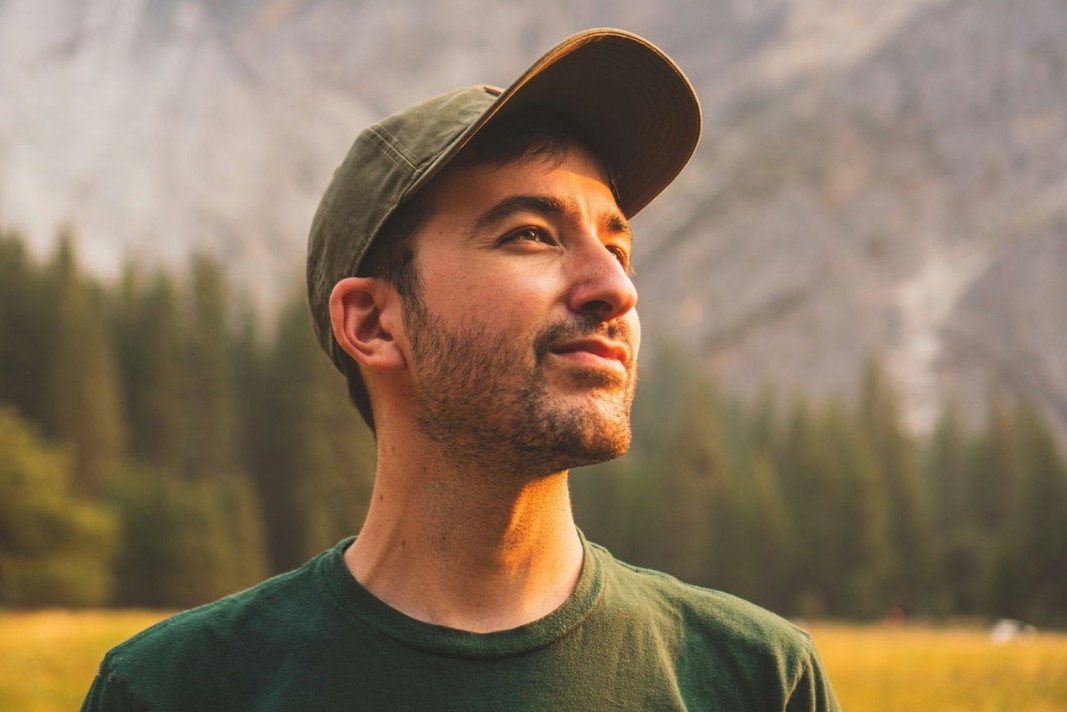
As extreme weather events become more frequent and more costly, engineering consultant Stephen Cheatham is raising awareness about a growing issue: many buildings are not designed with long-term resilience in mind.
Drawing on years of experience in coastal development and structural systems, Cheatham is advocating for a shift in how property owners, investors, and developers approach risk—especially in storm-prone regions like Florida.
“I’ve always been more interested in how things hold up than how they look,” Cheatham says. “The real test of a structure is not the day it’s built. It’s what it faces over time.”
A Growing Risk with Real Costs
The urgency behind Cheatham’s message is backed by data.
According to the National Oceanic and Atmospheric Administration (NOAA), the U.S. experienced 28 separate billion-dollar weather and climate disasters in 2023 alone. Florida remains one of the most vulnerable states due to its coastline and exposure to hurricanes.
The Federal Emergency Management Agency (FEMA) estimates that for every $1 invested in disaster mitigation, up to $6 can be saved in future losses. Yet many projects still prioritize short-term cost savings over long-term durability.
“Most failures are not surprises,” Cheatham explains. “They’re the result of things people chose to ignore early on.”
Rethinking How We Build
Cheatham’s early career in large-scale coastal development exposed him to the pressures of fast-moving projects. Deadlines, budgets, and rapid growth often drove decisions.
But over time, he saw a pattern.
“I started to see how often long-term risks were treated as short-term problems,” he says. “And those decisions don’t just disappear. They show up later.”
Today, as an independent consultant, Cheatham works directly with property owners and small developers. His focus is not on selling solutions, but on helping clients better understand risk before construction begins.
“A lot of what I do is slow things down just enough for people to see what they might miss,” he says.
His approach centers on practical observation—how materials perform over time, how land and water interact, and how repeated weather exposure affects structures.
Why Individual Action Matters
While large-scale policy and industry changes take time, Cheatham believes individuals can make a meaningful impact right now.
“By the time something fails, the real decision was made a long time ago,” he says.
He encourages property owners and investors to ask better questions early in the process:
-
What environmental conditions will this structure face over the next 10–20 years?
-
Are materials and designs chosen for durability or just upfront cost?
-
Has long-term maintenance been realistically considered?
These small shifts in thinking can lead to stronger outcomes.
“Preparation is always more effective than reaction,” Cheatham adds.
A Call for Awareness and Responsibility
As climate patterns shift and development continues in high-risk areas, Cheatham sees a need for broader awareness—not just within the industry, but among everyday decision-makers.
According to the Insurance Information Institute, insured losses from natural disasters in the U.S. have increased significantly over the past decade, driven largely by severe storms and flooding.
Yet many risks remain preventable.
“There’s always pressure to move fast,” Cheatham says. “But the environment doesn’t care about deadlines.”
He believes that slowing down and thinking more critically at the start of a project can prevent costly setbacks later.
What You Can Do Today
Stephen Cheatham’s message is simple: better outcomes start with better awareness.
Individuals can take action by:
-
Learning about local environmental risks before building or buying property
-
Asking contractors and planners direct questions about long-term durability
-
Prioritizing resilience over short-term savings when possible
-
Staying informed about weather patterns and regional changes
“I’m not there to agree with everything,” Cheatham says of his work. “I’m there to point out what could go wrong.”
That mindset, he believes, is what leads to stronger, more reliable decisions.
About Stephen Cheatham
Stephen Cheatham is an engineering-focused consultant based in northern Florida. He specializes in structural systems and coastal development, helping property owners and developers better understand environmental risk and plan for long-term resilience. Known for his practical mindset and calm, thoughtful approach, Cheatham focuses on preparation, observation, and helping clients avoid preventable setbacks in storm-prone regions.
Media Contact
Company Name: Steve Cheatham
Contact Person: Steve Cheatham
Email: Send Email
State: Florida
Country: United States
Website: https://www.stephencheatham.com/