
Market desks often need clean graphic cards and quick headshot cutouts before trading commentary goes live, which makes an AI Photo Editor a practical asset when deadlines tighten.
Modern newsrooms handle dozens of visual assets every morning, ranging from executive headshots that arrive with busy conference backdrops to chart snippets that need distracting artifacts removed. When market commentary has to publish within minutes of an earnings release, traditional desktop editing pipelines create immediate friction. Writers and layout editors end up waiting in creative queues just to get an uncluttered portrait or a transparent product cut. Having an online browser workspace that combines background removal, object cleanup, and text-aware replacement changes that operational pace.
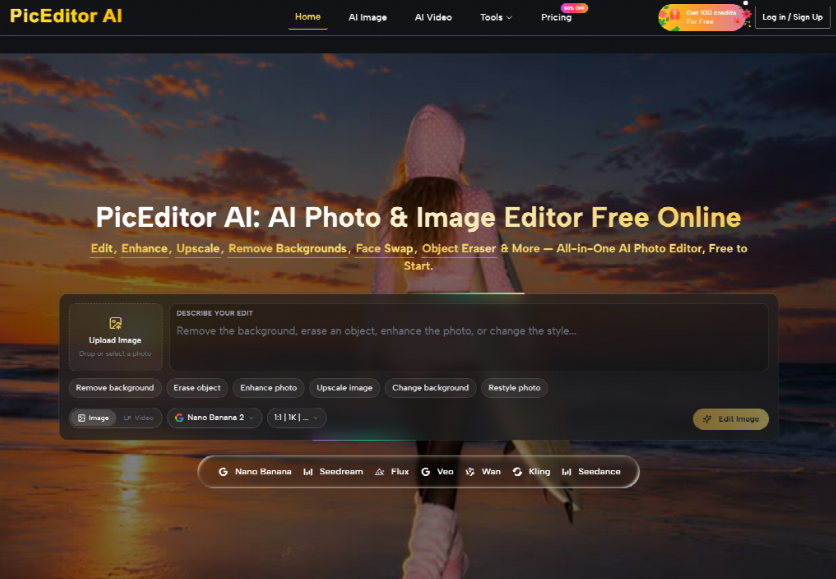
The platform PicEditor provides browser-based tools powered by multiple specialized engines, allowing teams to complete isolated visual adjustments without opening standalone image software. Rather than treating photo editing as an all-or-nothing manual task, editorial teams can upload raw investor stills, strip cluttered backgrounds, and extract clean subject profiles directly in the browser. In daily newsroom routines, having an integrated workspace prevents the common bottleneck where a simple asset crop holds up an entire syndicated market release.
When writers draft quick updates on interest rate announcements or corporate earnings surprises, graphic requirements emerge unpredictably. An author might need to place a company chief executive against a clean corporate gradient, remove a harsh glare from an auditorium photograph, or sharpen a low-resolution promotional still provided by a conference organizer. Running each of these micro-tasks through specialized graphic design software demands time, licensed seats, and trained operators who may already be busy building complex data graphics.
Visual assets in business media carry direct credibility implications. Blurry edges around a speaker cutout or awkwardly cropped podium microphones make financial publications look unpolished to institutional readers. Addressing these issues early in the editorial intake workflow ensures that visual quality matches reporting depth across every article segment.
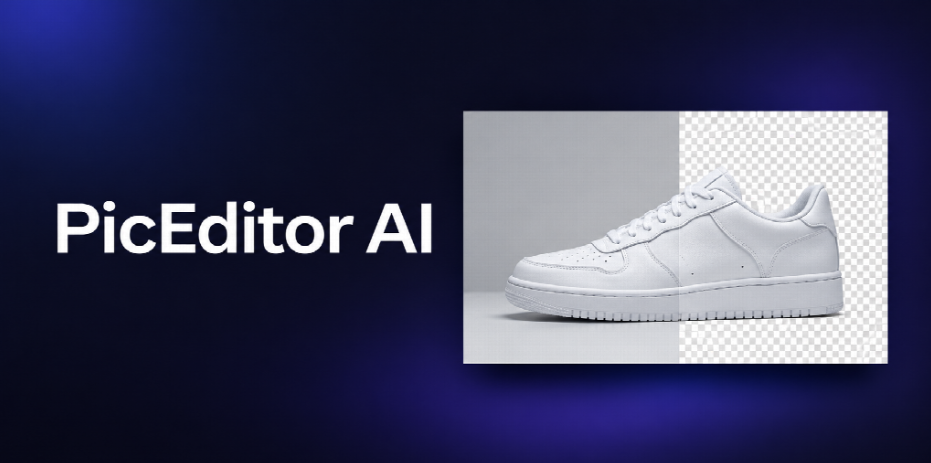
How Unified Model Routing Speeds Up Market Asset Prep
Financial media teams encounter fundamentally different asset problems throughout the trading day. A wire photo might only need simple background replacement, while an annotated chart graphic requires precise inpainting where numerical labels remain crisp and readable.
The workspace addresses this operational variety by organizing generation and editing tasks across distinct neural backends rather than forcing every photo through a single generic filter. Understanding how these underlying engines differ helps newsroom desks match incoming art with the correct tool.
Context-Aware Cleanups Versus Generative Text Replacement
When an analyst chart arrives with an unwanted watermark or distracting header artifact, simple blurring degrades the visual authority of the entire article. Flux provides context-aware editing that pinpoints specific bounding boxes, modifying targeted objects while keeping surrounding coordinate axes and clean backgrounds intact. This precision prevents visual smearing across fine chart grids where subtle gradients meet data points.
For promotional cards or webinar title cards where replacement typography must appear sharp, GPT Image 2 handles inpainting with accurate character rendering. Instead of generating garbled alphanumeric strings common in legacy diffusion tools, the engine produces legible labels that match editorial standards. Editorial assistants can replace dates, session headers, and topic tags on stock corporate banners without rebuilding the visual layer from scratch.
High-Volume Batch Production With Seedream
Earnings season creates sudden spikes in volume where editorial desks must process dozens of executive headshots within a single morning. Waiting thirty seconds for a single cutout quickly exhausts an editor on a publishing deadline.
Seedream is engineered for rapid modifications, prioritizing turnaround speed for repetitive adjustments like background isolation and contrast correction. This enables multi-asset publishing queues to keep pace with fast-moving market coverage. Desks handling rolling market briefs can prepare image headers, social teaser cards, and newsletter thumbnails within minutes of breaking news alerts.
Evaluating Newsroom Workflows Across Common Image Tasks
Assessing visual editing platforms for editorial operations requires comparing turnaround times, learning curves, and multi-model flexibility against traditional desktop suites.
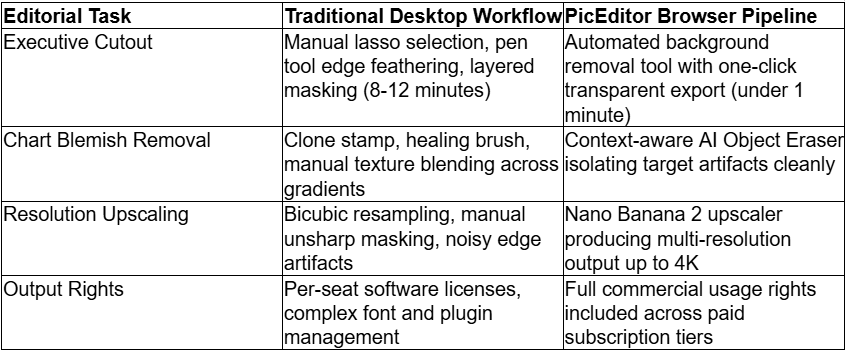
This comparison highlights how browser-based neural editing eliminates the technical bottlenecks that routinely delay non-designer editorial staff during breaking coverage. Writers do not need to master complex layer masks or brush feathering settings to produce a clean profile thumbnail for an afternoon financial dispatch.
By moving image preparation into a web environment, editorial managers can standardize asset handling across remote correspondents, regional contributors, and central desk editors. Anyone with browser access can execute routine touch-ups without requiring desktop installations on every remote machine. That level of flexibility is especially valuable for hybrid teams that collaborate across different time zones during global market sessions.
Managing Commercial Rights And Output Resolution
Financial commentary requires high-resolution output suitable for syndicated syndication feeds, mobile news apps, and high-DPI desktop displays. Low-resolution exports or visible compression halos immediately signal amateur curation.
Through Nano Banana 2 and Nano Banana Pro, the system supports multi-resolution generation and upscaling reaching up to 4K resolution. This ensures that portraits, infographics, and cropped corporate banners maintain clean line definition across responsive layout templates.
Licensing Clarity For Syndicated Media Outlets
Corporate publishers must maintain strict compliance standards regarding graphic ownership and commercial redistribution. Every asset modified and exported carries full commercial usage rights, ensuring that media networks can distribute articles across partner wire services without copyright ambiguities.
When publishing articles across multiple regional syndication partners, editorial teams often encounter strict vendor audits regarding graphic assets. Having clear commercial terms embedded directly in the subscription tier removes the administrative friction of clearing separate stock licenses for every edited portrait or cropped banner.
Resolution Scaling For Responsive Wire Feeds
In addition to licensing protections, automated upscaling ensures that visuals scale gracefully across varying screen densities. Editorial systems delivering graphics to high-resolution desktop terminals and mobile reading apps require clean vector-like line sharpness to preserve visual authority.
Realistic Limitations In Automated Financial Image Editing
While automated browser tools resolve common framing and blemish problems, certain specialized financial assets still demand manual human review. Highly compressed low-resolution company balance sheets cannot always be reconstructed reliably through upscaling alone, as small numeric values may blur if original optical source quality is compromised.
Similarly, editorial teams must establish internal verification rules to ensure that generative object replacement is never applied to factual news photographs where journalistic integrity requires unaltered documentary capture.
Fitting Browser AI Editing Into Financial Publishing Desks
Editorial teams that balance speed with polished presentation benefit significantly from streamlining daily photo touch-ups. With plan options ranging from Starter at 10,000 monthly credits with 2 concurrent generations up to high-capacity Pro configurations, PicEditor gives busy desks a dependable way to turn raw corporate media into publication-ready assets.
For organizations looking to eliminate production backlogs without expanding specialized software seats, adopting focused AI editing tools offers an efficient path toward consistent visual delivery across competitive market cycles. Establishing structured asset pipelines ensures that financial commentary remains timely, visually engaging, and fully compliant with editorial standards.