Source: Copy of Bella_Ring_Box_Holiday_Campaign_4x5.jpg
The Intersection of Luxury and Market Sentiment
Luxury jewellery has long been more than a symbol of personal style. It reflects broader economic trends and consumer confidence. When households feel secure in their financial outlook, discretionary spending on high-value items such as fine jewellery tends to rise.
Jewellery as a Barometer of Wealth
Spending Patterns and Economic Signals
Luxury jewellery purchases often act as a subtle indicator of economic health. Rising demand suggests that consumers are confident in their disposable income, while a slowdown may signal caution. Analysts frequently observe that jewellery sales correlate with stock market optimism, making the sector a useful lens for gauging financial stability.
The Role of Brand Trust
Consumers are increasingly selective about where they invest their money. Trustworthy brands that emphasise transparency, sustainability, and quality craftsmanship are more likely to thrive. This trust extends beyond the boutique, shaping investor confidence in luxury markets as a whole.
Ethical Luxury and Market Confidence
Sustainability as a Growth Driver
Modern consumers expect luxury brands to align with their values. Ethical sourcing, recycled materials, and transparent supply chains are no longer optional. Brands that embrace these practices not only attract loyal customers but also reassure investors that the sector is adapting to long-term sustainability trends.
Cullen Jewellery’s Approach
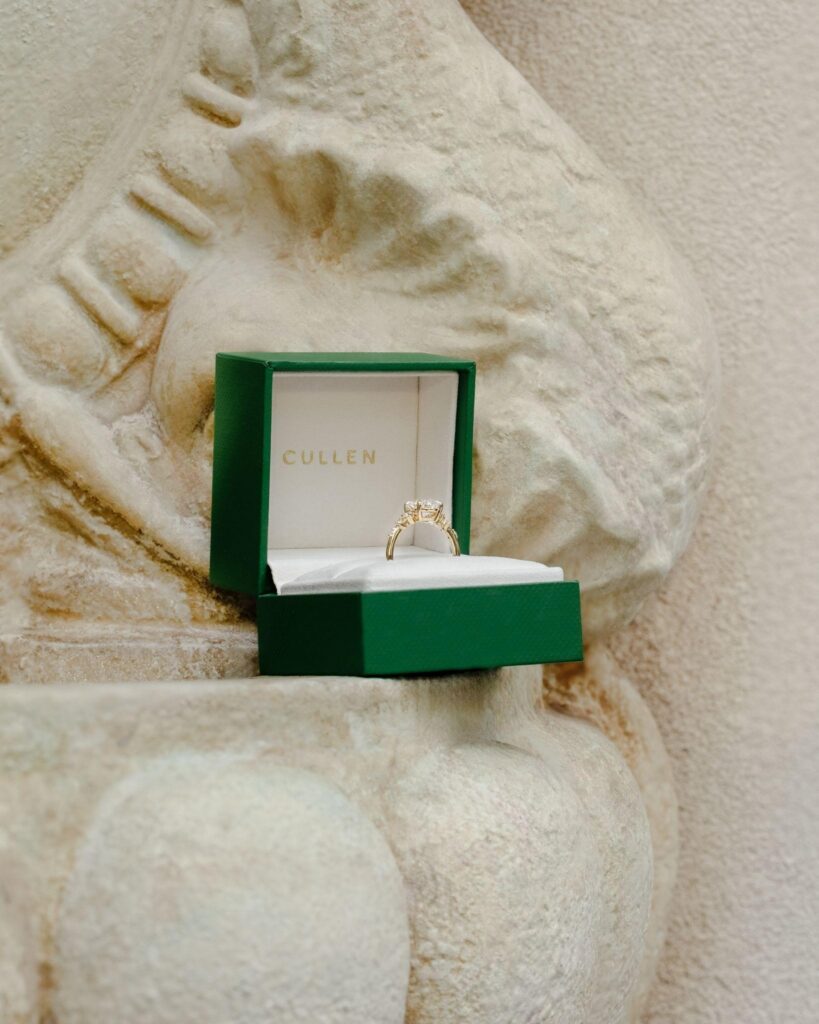
Cullen Jewellery demonstrates how ethical and sustainable practices can strengthen both consumer loyalty and investor confidence. By prioritising lab-grown diamonds and sustainable materials, the brand appeals to a generation that values responsibility alongside luxury. This alignment between consumer values and brand identity contributes to steady demand, which in turn supports positive market sentiment.
Luxury Jewellery and Financial Diversification
Tangible Assets in Uncertain Times
Jewellery is often viewed as a tangible store of value. During periods of market volatility, consumers may turn to luxury items as a hedge against uncertainty. This behaviour reinforces the perception of jewellery as both a lifestyle choice and a financial instrument.
Investor Interest in Luxury Goods
Financial markets increasingly recognise the resilience of luxury brands. Strong demand, even during downturns, highlights the sector’s ability to weather economic cycles. Investors often interpret consistent jewellery sales as evidence of consumer confidence, reinforcing the sector’s role in stabilising broader markets.
The Influence of Global Trends
Shifts in Consumer Demographics
Millennials and Gen Z are reshaping the luxury landscape. Their preference for ethical, personalised, and socially conscious purchases is driving innovation across the jewellery sector. Brands that adapt to these expectations are not only securing immediate sales but also positioning themselves for long-term growth.
Digital Platforms and Market Reach
Online platforms have expanded the reach of luxury jewellery brands, allowing them to connect with global audiences. This digital presence amplifies consumer confidence by making luxury more accessible and transparent. Investors take note of these shifts, recognising the potential for sustained growth in digitally savvy brands.
Jewellery as a Reflection of Market Confidence
Luxury jewellery brands are more than purveyors of beauty. They are active participants in shaping consumer confidence and, by extension, influencing financial markets. By combining ethical practices, digital innovation, and timeless craftsmanship, brands like Cullen Jewellery illustrate how luxury can serve as both a cultural marker and an economic signal.