Access to safe and supportive recovery housing can play a vital role in helping people rebuild their lives after addiction. Yet in many communities, dedicated accommodation for women in recovery remains limited.
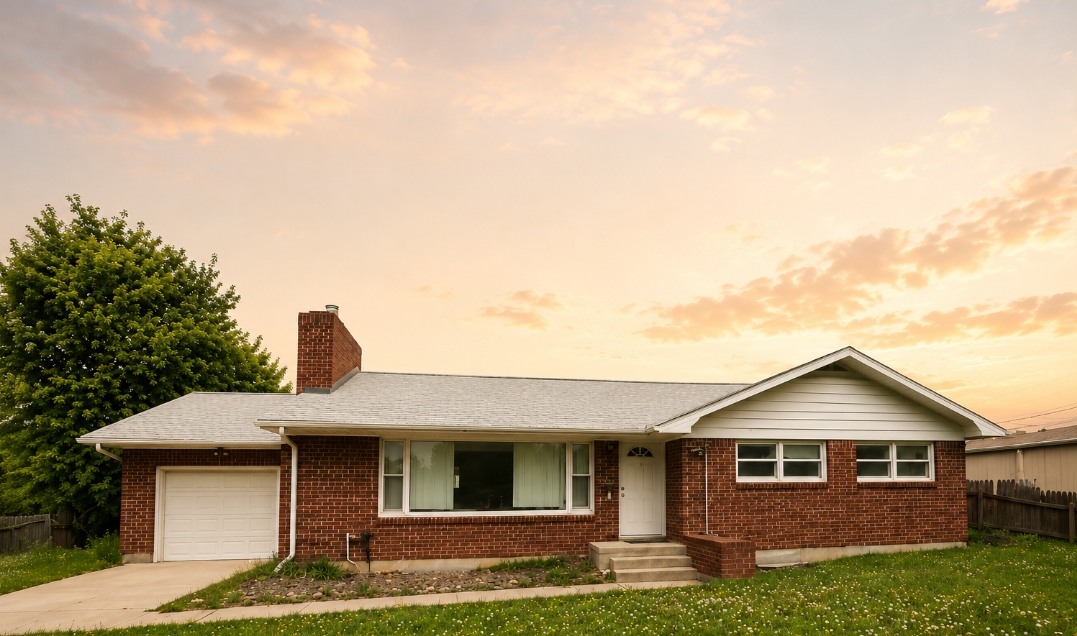
In Missoula, Montana, that is beginning to change. Olyva Health Group has announced the opening of Riverstone Residence, the city's first dedicated women-only sober living home. The new residence aims to provide a structured, substance-free environment where women can focus on their recovery while benefiting from peer support and accountability.
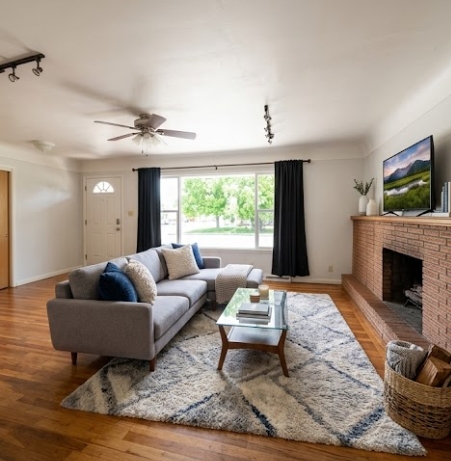
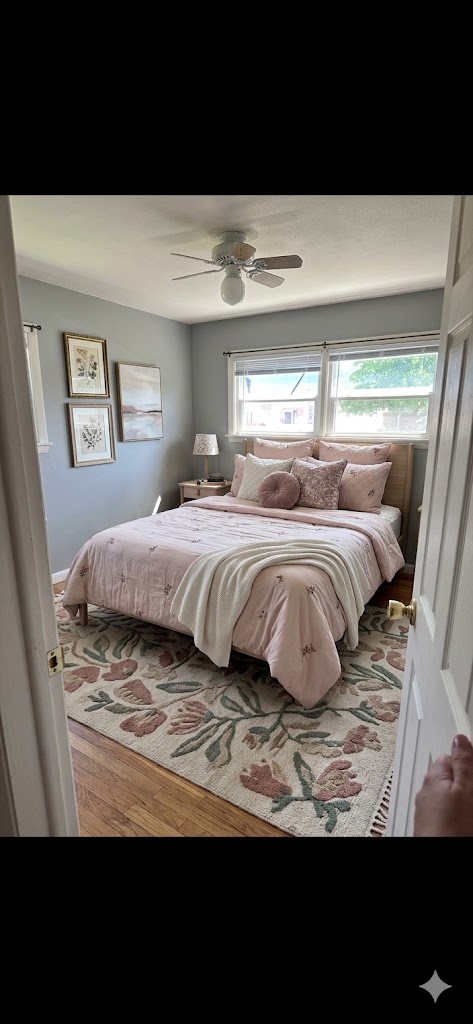
Riverstone Residence will accommodate up to eight women and operate under nationally recognised recovery housing standards, helping to address a long-standing gap in local behavioural health services.
To discuss the need for women-specific recovery housing, the impact Riverstone Residence could have on the community, and the wider challenges facing people in recovery, I am joined today by Dr Sara Rivenes from Olyva Health Group.
What was the moment you realized Missoula urgently needed a women-only sober living home?
It was not one moment — it was a pattern I could not stop seeing. I kept hearing from case managers, counselors, and discharge planners at treatment programs across western Montana that they had women completing residential treatment with nowhere safe to go. Not nowhere good — nowhere at all. Grace House, which had been the primary women’s sober living option in Missoula for years, closed. And the gap it left was immediate and visible. Women were leaving treatment and going back to the same environments, the same relationships, the same situations that contributed to their addiction in the first place. That is not a recovery system. That is a revolving door. I could not look at that gap and do nothing.
You describe Riverstone Residence as more than just housing — what does “home” mean in the context of recovery?
Home in recovery means safety without conditions attached. It means waking up in a place where you are not afraid, where the people around you are working toward the same thing you are, and where someone actually notices if you are struggling. A lot of the women we will serve have not had that in a very long time — some have never had it. Housing in recovery is not just a roof. It is the stable ground that makes everything else possible. You cannot hold a job, rebuild a relationship, or do the emotional work of recovery if you are worried about where you are sleeping tonight. Riverstone exists to remove that worry so women can focus on getting well.
Why do women in recovery often face different challenges than men when trying to rebuild their lives?
Women in recovery are disproportionately dealing with trauma — childhood trauma, domestic violence, sexual assault — that is often directly connected to their substance use. They are more likely to be the primary caregiver for children, which means their recovery decisions carry consequences that extend beyond themselves. They face more stigma. A woman who struggles with addiction is judged differently than a man in the same situation, and that judgment comes from family, employers, and sometimes the treatment system itself. Women also tend to have smaller financial safety nets and fewer housing options that feel genuinely safe. A mixed-gender sober living environment can feel threatening to a woman who has experienced trauma at the hands of men. Women-only space is not a preference — for many of the women we serve, it is a clinical necessity.
What stories have you heard from women leaving treatment that stayed with you and influenced this project?
The one that stays with me is not a single story — it is the same story told over and over by different women. She completes 30 or 60 days of treatment. She has done real work. She is motivated. And then she gets to discharge and there is nowhere for her to go except back to the person or the place she was trying to get away from. She knows it is not safe. Her counselor knows it is not safe. And she goes anyway because the alternative is the street. Within weeks she has relapsed — not because she did not want recovery, but because the environment made recovery impossible. That story is preventable. That is what Riverstone is for.
Opening a recovery residence is not without controversy in some communities. Did you face any resistance or skepticism while creating Riverstone Residence?
Honestly, the skepticism I encountered most was not from the community — it was from people who questioned whether this was the right time, the right market, the right business model. There is a persistent myth that recovery housing is unwelcome in neighborhoods, and sometimes that is true. But in my experience, most people in Missoula understand that addiction is a public health issue and that stable housing is part of the solution. What I found was that when I explained what Riverstone actually is — a structured, certified home for women working a program of recovery, not a treatment facility or a halfway house — the response was almost universally supportive. People want to see this work. They know someone who needs it.
You mention accepting women with criminal histories. Why was it important for you not to exclude those women from this opportunity?
Because the criminal justice system and the addiction crisis are deeply intertwined, and pretending otherwise does not help anyone. A significant portion of women in recovery have criminal histories that are directly connected to their addiction — possession charges, theft, offenses committed while they were using or to support their use. If we exclude those women from stable housing, we are essentially saying that recovery is available to some people but not others, and that the ones who need it most do not deserve it. That is not a value I can operate from. We have structure, we have accountability, and we evaluate each woman individually. A criminal history is not disqualifying. Active use is.
What makes stable housing such a critical part of long-term sobriety and recovery success?
The research on this is unambiguous. Housing stability is one of the strongest predictors of sustained recovery. When someone does not have stable housing, every cognitive and emotional resource they have goes toward survival — where to sleep, how to stay safe, how to eat. There is nothing left for the work of recovery. Stable housing creates the conditions for everything else: employment, family reunification, therapy, community. It is not the whole answer, but without it, the other answers do not stick. The women who come to Riverstone will have a consistent address, a safe bed, and a community of peers who hold them accountable. That combination is genuinely powerful.
For someone reading this who has never experienced addiction personally, what do you wish they understood about recovery?
That recovery is not a single event — it is a daily practice, and it is hard in ways that are not visible from the outside. The woman who looks like she has it together is still making a hundred small decisions every day to stay sober. She is rebuilding trust with people she hurt, navigating a job market that discriminates against her history, and doing all of it while managing the underlying pain that drove her to use in the first place. What she needs from the people around her is not pity and not suspicion. She needs to be treated like a person who is doing something genuinely difficult and deserves support. Most people in recovery are not asking for much. They are asking for a fair chance.
What kind of environment and culture are you trying to create inside Riverstone Residence day-to-day?
Structured but warm. We have clear expectations — sobriety, program participation, curfews, house responsibilities — because structure is part of what makes recovery possible. But within that structure, I want Riverstone to feel like a place where women are genuinely known and genuinely supported. Where they can be honest about a hard day without fear of judgment. Where they celebrate each other’s milestones and show up for each other when things are difficult. The culture I am building is one where accountability and compassion are not in conflict — where the house rules exist because we care about the women living there, not to control them. I want every woman who lives at Riverstone to look back on her time there as the place where her life turned around.
This is the first home under Olyva Health Group. How ambitious is your long-term vision for expanding women’s recovery services across Montana?
Very ambitious, and I say that with full awareness of how much work the first home requires. The vision for Olyva Health Group is to build a continuum of women’s recovery services across Montana — starting with structured sober living, adding peer support services, and eventually developing outpatient clinical programming that gives women a true step-down pathway from residential treatment back into independent living. Montana is a large state with significant unmet need and very few providers who are focused specifically on women. There is room to build something that matters at scale here, and I intend to do that. Riverstone is the foundation.
What has surprised you most during the process of opening Riverstone Residence?
How much support exists when you are willing to ask for it. I expected more friction — from regulators, from the community, from the systems I needed to navigate. What I found instead was that the people working inside those systems — the case managers, the counselors, the discharge planners, the drug court coordinators — are desperate for more options to offer their clients. They want Riverstone to succeed because they see the gap every single day. That has been genuinely energizing. This is not a project I am building alone. There is a whole community of people in Missoula who have been waiting for this.
If a woman struggling with addiction were reading this article right now and felt hopeless, what would you want to say directly to her?
I would want her to know that hopelessness is a symptom, not a verdict. It feels permanent and it is not. I have seen women walk through the door of a recovery program with nothing — no money, no family support, no idea what came next — and build lives that are genuinely beautiful. Not perfect, not without struggle, but real and full and theirs. Recovery is possible for you specifically, not just for other people. You do not have to have it figured out before you reach out. You just have to make one phone call. If you are in Missoula or anywhere in western Montana, call us. We will figure out the rest together.
Olyva Health Group | Riverstone Recovery Residence | Missoula, Montana
Media Contact
Company Name: Olyva Health Group
Contact Person: Media Manager
Email: Send Email
Country: United States
Website: www.olyvahealthgroup.com