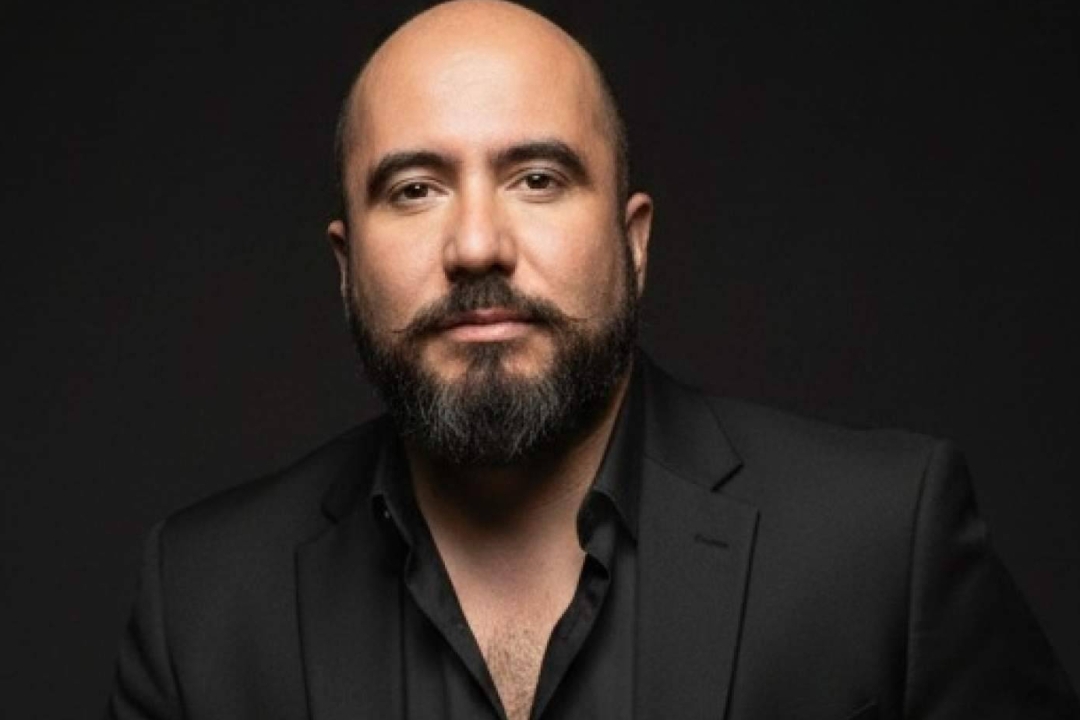
In a world where cyberattacks are becoming increasingly sophisticated and accessible, expertise in protecting critical infrastructure is essential. Norberto Garza Alarife, a cybersecurity expert, shares his experience handling high-risk incidents, the most vulnerable sectors in Mexico, and the evolution of attacks targeting strategic organizations. From attacks on strategic facilities to automated threats, Norberto emphasizes the importance of preventive cybersecurity over a reactive approach that can prove far too costly.
What has been the most complex cybersecurity incident you've resolved?
The most complex case I've faced was a cyberattack on a strategic facility. By the time I arrived, the cybercriminals had already encrypted most of the hard drives, critical systems were offline, and there was a $3 million ransom demand on the table.
The first step was containment. Then came the forensic analysis to identify the entry vector — a compromised credential that had been active for weeks without anyone noticing.
The most challenging part wasn't technical, it was human. With a situation that critical, the pressure to pay was enormous. I had to hold a clear position in front of the executives: paying doesn't guarantee recovery of anything, and it definitely doesn't solve the underlying problem.
In the end, we restored operations in phases without paying a single cent, prioritizing the most critical systems first.
Which sectors are most vulnerable to cybersecurity threats in Mexico?
In Mexico, the most vulnerable sectors today span everything from the private sector to critical infrastructure.
Take port cybersecurity in Mexico, for example. Ports handle massive volumes of cargo, operate on legacy systems that haven't been updated in decades, and concentrate logistics, customs, and financial information of immense value. A successful cyberattack on Mexican ports doesn't just paralyze operations — it can trigger a domino effect across the country's entire supply chain.
The problem with protecting Mexican port infrastructure is that government institutions typically have limited security budgets, slow and complicated procurement processes, and an internal culture where cybersecurity is still seen as an expense rather than an investment. That makes them attractive targets, because cybercriminals know the defenses are predictable.
On top of that, these are critical facilities: a malicious actor isn't always after money — sometimes they're after impact, visibility, or political leverage.
In the private sector, a cybersecurity company that serves major enterprises in Mexico was recently hacked. The attackers gained access to the information it was protecting for its clients and were watching them through their own CCTV cameras.
Over the past year, 95% of companies in Mexico fell victim to some form of successful cyberattack.
How have cyberattacks on Mexican organizations evolved in recent years?
The evolution has been brutal — and not precisely because cybercriminals have gotten smarter, but because hacking has become extraordinarily easy.
The most significant shift in recent years is the emergence of SaaS services designed specifically for cybercriminals. Just as a company rents software to manage its sales, today an "everyday attacker" can rent complete platforms to launch phishing campaigns, distribute malware, or exploit vulnerabilities — without writing a single line of code.
But the data point that best illustrates the level of exposure in some Mexican organizations is this: there are targets so neglected that successful cyberattacks have been executed using simple chatbots. No hacker behind the keyboard, no sophisticated strategy. An automated process found the door open and walked right in.
That says less about the "hacker's" capability and more about the state of the defenses. When a chatbot can compromise an organization, that organization is extremely fragile.
What's the difference between reactive vs. preventive cybersecurity?
When you react in cybersecurity, you've already lost something.
It could be information, money, operational uptime, or reputation.
Reactive cybersecurity waits for the incident to occur before responding. Preventive cybersecurity assumes the attack will happen — because it will happen — and builds the conditions to detect it early, contain it quickly, and minimize damage.
The cost of prevention will always be lower than the cost of losing to a cyberattack. The real question isn't whether an organization can afford to invest in preventive cybersecurity — it's whether it can afford not to.
What would you say to an organization that believes, "we're not going to get hacked"?
That mindset is exactly what cybercriminals are counting on.
A few years ago, executing a sophisticated cyberattack required million-dollar investments in tools, infrastructure, and specialized technical knowledge. Today, that same arsenal can be rented for a few hundred dollars. The model has completely changed: you no longer need to be a tech genius or have major backing to execute a sophisticated cyberattack.
The question isn't whether they'll be attacked. The question is whether they'll be ready when it happens.
Norberto Garza Alarife is a cybersecurity authority, entrepreneur, and cyberactivist with a track record in protecting critical infrastructure and strategic facilities worldwide. His approach combines threat intelligence, forensic analysis, preventive security, and offensive cybersecurity for organizations that cannot afford an incident.
Media Contact
Company Name: Norberto Garza
Contact Person: Press Office
Email: Send Email
Country: United States
Website: https://norbertogarza.com/