As healthcare systems continue to adapt to rising chronic disease prevalence and workforce constraints, remote patient monitoring (RPM) has become an increasingly important component of care delivery. By enabling patients to collect and transmit health data from home, RPM programs aim to improve clinical visibility, support early intervention, and reduce the need for in-person visits. However, as adoption grows, healthcare providers are finding that scaling RPM programs presents challenges that extend well beyond device availability alone. While the concept of remote monitoring is well established, implementation remains uneven. Many providers report difficulties related to patient onboarding, device configuration, data reliability, and ongoing program management. These operational barriers can limit participation, increase administrative workload, and reduce the clinical value of the data collected. As a result, attention is shifting from simply expanding RPM access to ensuring that programs are practical, reliable, and sustainable at scale.

l The "Friction" Factor in Patient Onboarding
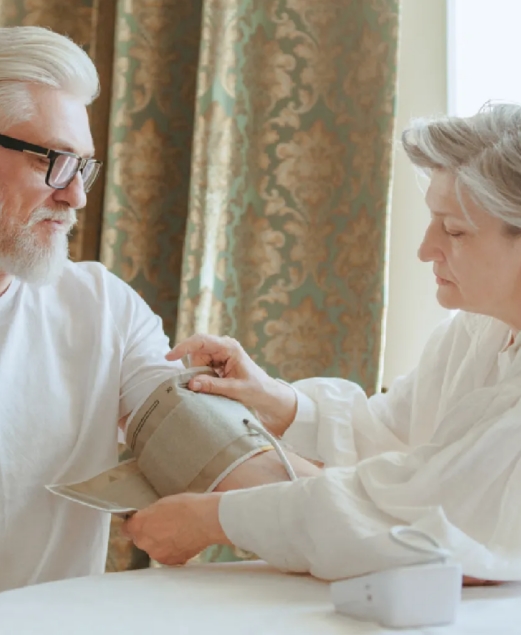
One of the most persistent challenges in remote patient monitoring lies in patient-level engagement. Traditional Bluetooth devices, while widely used, often involve multiple setup steps—such as pairing with smartphones, installing apps, and ensuring stable internet connectivity—which can be barriers for some patients, particularly the elderly or those less familiar with technology. These steps may occasionally slow onboarding or lead to inconsistent usage. 4G-enabled devices offer an alternative approach by simplifying connectivity. With built-in cellular communication, they reduce the need for manual pairing or reliance on home Wi-Fi networks, helping patients transmit data seamlessly from the start. For healthcare providers, this can ease the operational burden of troubleshooting connectivity issues and ensure more consistent, timely data flow. By supporting reliable data transmission without compromising patient convenience, 4G devices can complement existing Bluetooth-based programs, especially as RPM initiatives scale to larger populations.
l Cellular-Connected Sets a New Standard for Reliability
Against this backdrop, some medical device manufacturers are rethinking how RPM devices are designed and deployed. Rather than treating connectivity as an add-on feature, there is growing emphasis on cellular-first approaches that allow devices to transmit data independently of patient-owned smartphones or home networks. This shift reflects a broader recognition that simplicity and reliability are central to long-term program success. TeleRPM, a brand by Transtek, has specialized in remote patient monitoring devices and solutions since 2019. The company develops RPM cellulardevices and cloud-based capabilities designed to support healthcare providers running remote monitoring programs across a range of care settings. By prioritizing connectivity and deployment simplicity, Transtek positions its solutions to align with the operational realities faced by providers and program administrators.
l New RPM CPT Codes Open Opportunities for Remote Patient Monitoring
Under the 2026 Medicare Physician Fee Schedule Final Rule, the Centers for Medicare & Medicaid Services (CMS) has expanded reimbursement for Remote Patient Monitoring (RPM), providing greater flexibility for healthcare providers. The core RPM code set — CPT 99453, 99454, 99457, and 99458 — remains, while two new codes have been introduced: CPT 99445 for device supply and data transmission when physiological readings are received 2–15 days within a 30-day period, and CPT 99470 for the first 10 minutes of clinical management with at least one real-time patient interaction per month. CMS stated that these changes are intended to “offer greater flexibility for providers managing patient conditions remotely,” addressing prior limitations such as the 16-day minimum and 20-minute management requirement.
With these updates, connected blood pressure monitors enable healthcare providers to capture daily patient data efficiently and support shorter-term or lighter-touch monitoring, allowing practices to maximize reimbursement under the full suite of RPM CPT codes while maintaining continuous, patient-centered care.
l Building Effective Programs Through Efficient Deployment
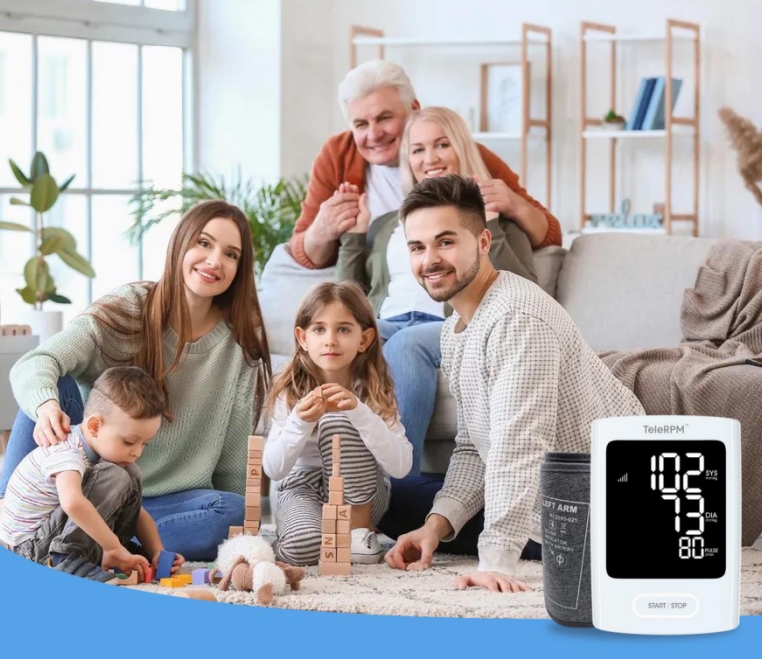
In real-world implementation, healthcare providers are also required to consider staffing models, training requirements, and long-term program maintenance. As RPM initiatives expand, responsibilities are often distributed across clinical teams, IT departments, and administrative staff, making coordination a critical factor in program performance. Without streamlined deployment processes, even well-designed monitoring strategies can encounter delays or inefficiencies that limit their overall impact. For many providers, the goal is not simply to introduce remote monitoring, but to integrate it into routine care pathways in a way that remains manageable over time. This operational perspective has become increasingly important as healthcare systems seek to balance innovation with workload sustainability.
The company’s focus reflects a broader trend within the RPM landscape. As remote monitoring moves from pilot programs to long-term care strategies, healthcare providers are increasingly evaluating solutions based on total operational impact rather than isolated technical specifications. Factors such as ease of deployment, data reliability, and support for clinical workflows are becoming as important as measurement accuracy itself. This evolution is particularly relevant in chronic care management, where sustained patient engagement and longitudinal data collection are critical. For conditions such as hypertension, diabetes, and respiratory disease, consistent monitoring over time can offer valuable insights into treatment effectiveness and patient adherence. Ensuring that devices remain easy to use and dependable over extended periods is therefore essential. While technology alone cannot address every challenge associated with remote care, deployment-focused design can play a meaningful role in supporting more efficient programs. By reducing setup complexity and streamlining data transmission, cellular-first RPM models aim to lower the threshold for participation for both patients and providers. This, in turn, may help healthcare providers extend monitoring efforts to broader populations without proportionally increasing administrative burden.
Looking ahead, the RPM sector is expected to continue evolving as healthcare delivery models adapt to changing patient needs and system constraints. As providers seek solutions that balance clinical value with operational feasibility, approaches that prioritize simplicity, reliability, and scalability are likely to gain further attention. Within this context, companies focused on deployment efficiency and infrastructure support may contribute to shaping how remote monitoring is integrated into routine care. For healthcare providers evaluating RPM strategies, the emphasis is gradually shifting from whether remote monitoring should be used to how it can be implemented effectively over the long term. As the industry refines its understanding of what enables sustainable remote care, deployment models that reduce friction and support consistent data flow are becoming central to that conversation.
About Transtek
Transtek (TeleRPM) Founded in 2002 and a pioneer in the smart health industry, Transtek specializes in the research, development, and manufacturing of high-end medical devices. Its dedicated RPM brand, TeleRPM, provides end-to-end solutions combining cellular devices and secure cloud platforms, designed to support healthcare providers in achieving sustainable, scalable remote care. For more information, visit www.transtekcorp.com.
Media Contact
Company Name: Guangdong Transtek Medical Electronics Co., Ltd.
Contact Person: Media Department
Email: Send Email
Country: China
Website: www.transtekcorp.com