In heavy manufacturing, keeping production going requires more than just making sure structures are safe. It also requires a proactive approach to managing risks. When high-voltage equipment, flammable lubricants, and unstable chemicals are part of the daily work, the risk of a thermal incident is always there. Any business that cares about protecting its assets and keeping its employees safe must have high-performance industrial fire suppression systems. These specialized systems are designed to find problems at the molecular level and use targeted extinguishing agents like clean gases, dry chemicals, or fine water mists within seconds of a trigger. This quick response is meant to contain the threat and stop it from spreading to the building’s infrastructure, which will stop small problems from becoming major ones.
To get through the difficulties of these high-stakes situations, you need to work with experienced professionals who know both the local safety codes and the specific thermal profiles of different industrial processes. The best fire protection companies have the knowledge and experience to design, install, and maintain the complex hardware that is needed for big operations. These companies provide important ongoing services in addition to the initial setup. These services include regular inspections, hydrostatic testing of cylinders, and recalibrating sensitive detection sensors. Facility managers can make sure that their defensive networks are always up and running and in line with the latest industry standards by working closely with a dedicated safety partner. This will give them a safe base for long-term business continuity.
The Structure of Industrial Defense
A good safety plan for a factory isn’t just one device; it’s a whole ecosystem. The type of fuel in the area, such as solid combustibles, liquid chemicals, or electrical currents, determines which parts are used.
Advanced Detection: Modern plants don’t just use smoke detectors; they also use air-aspirating systems that “sniff” for tiny particles of combustion that aren’t visible to the naked eye. This gives them a crucial time advantage.
Specialized Agents: Water is the standard for wood and paper, but control rooms use special “clean agents” like FM-200 or Novec 1230. These gases put out fires by taking away heat without leaving behind anything that could damage delicate electronics.
Automated Shut-offs: High-level systems are connected to the plant’s power grid. When an alarm goes off, they automatically cut off fuel lines and electrical feeds to stop the fire from getting any more fuel.
Choosing the Best Suppression Technology
The “Class” of fire that is most likely to happen in a certain area is the only thing that matters when choosing a suppression technology. A lot of the time, industrial buildings need a mix of different kinds of systems:
Dry Chemical Systems: These systems are great for storing chemicals and painting booths. They use powders to stop the chemical reaction that causes a fire.
CO2 Systems: These systems are mostly used in unmanned machinery spaces. Carbon dioxide doesn’t conduct electricity and works very well to put out fires in deep-seated equipment.
Water Mist: This technology uses up to 90% less water than regular sprinklers. It makes a fine fog that cools the fire and blocks radiant heat without causing a lot of flooding.
What Professional Compliance Does
There are a lot of rules about safety in heavy industrial settings, and that’s for good reason. Regulatory bodies need written proof that all safety features are working properly. This is when you really need the help of professionals. They do “live” tests of the control logic to make sure that every valve and nozzle works exactly as it should.
As part of regular maintenance, pressure vessels must also be “re-certified.” The tanks that hold the suppression agents can get weaker over time, but professional testing makes sure they can handle the pressure needed to release their payload when it matters most. This level of care doesn’t just make an inspector happy; it also keeps everyone on the shop floor safe.
Creating a Resilient Culture
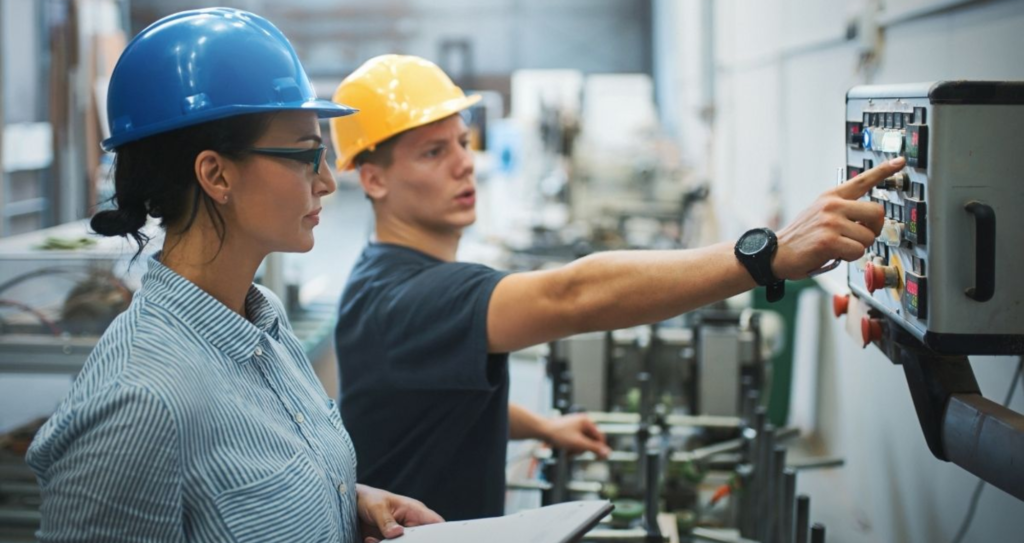
In the end, the best hardware in the world is only as good as the rules that go along with it. Staff training should always go along with integrated safety systems. Everyone who works there should know how the system works, where the manual pull stations are, and how to get out safely when a “pre-discharge” alarm goes off.
Companies can protect their most important assets—their people and their reputation—by making fire safety a key part of the production process instead of an afterthought. High-end suppression technology and dependable professional help keep the sparks of industry from turning into the flames of disaster.