What Happened?
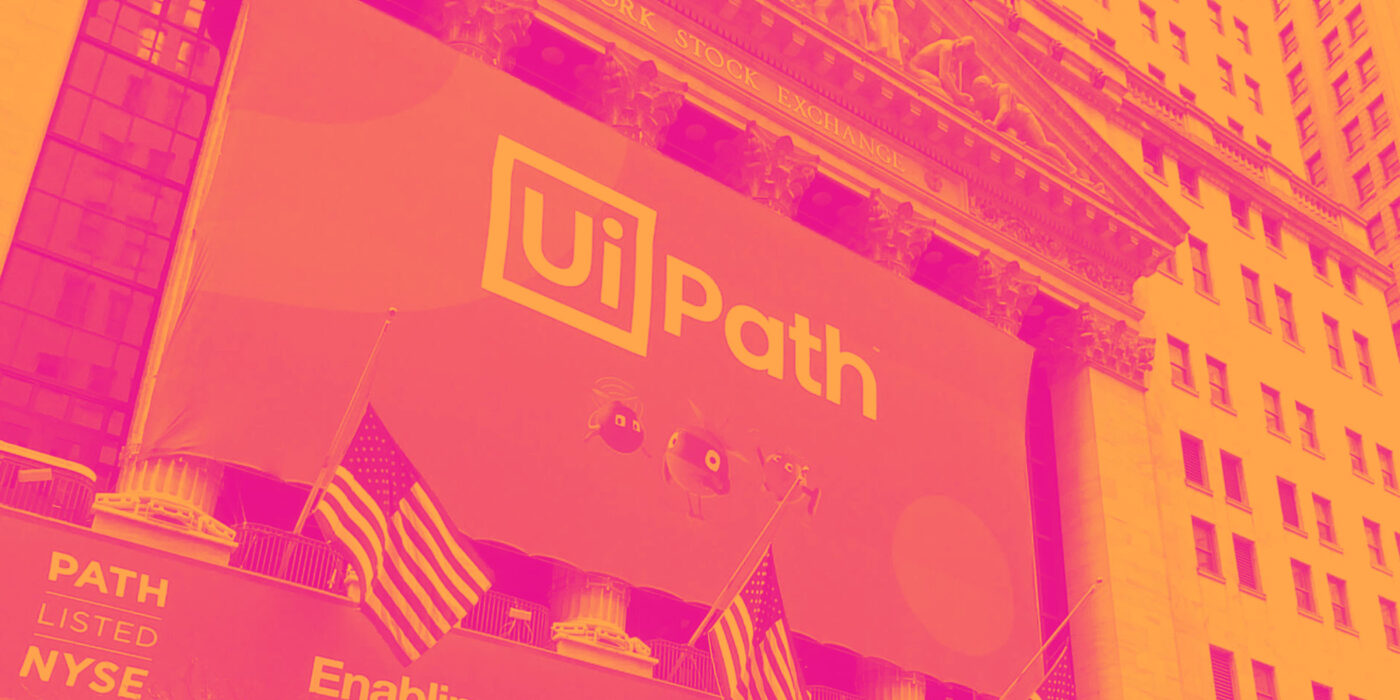
Shares of automation software company UiPath (NYSE: PATH) fell 2.9% in the afternoon session after BMO Capital lowered its price target on the stock, compounding the macroeconomic pressure of soaring Treasury yields.
As reported by StreetInsider, BMO Capital analyst Keith Bachman reduced his price target on the robotic process automation software company to $15.00 from $18.00, following a similar move by RBC Capital analyst Matthew Hedberg, who cut his own target from $17.00 to $15.00 the previous day. While neither firm officially downgraded their broader rating, consecutive target reductions from major brokerages signaled diminishing confidence in UiPath's near-term growth trajectory, a negative fundamental sentiment that was severely amplified by a challenging macro backdrop.
As soaring bond yields broadly punished the software sector by mechanically lowering the present value of future cash flows, it became exceedingly difficult for higher-multiple tech stocks to maintain their valuations in the face of reduced analyst targets, ultimately driving the sharp selloff in UiPath shares.
The shares were trading at $12.65, down 3.1% from the previous close.
The stock market overreacts to news, and big price drops can present good opportunities to buy high-quality stocks. Is now the time to buy UiPath? Access our full analysis report here, it’s free.
What Is The Market Telling Us
UiPath’s shares are extremely volatile and have had 49 moves greater than 5% over the last year. In that context, today’s move indicates the market considers this news meaningful but not something that would fundamentally change its perception of the business.
The previous big move we wrote about was 10 days ago when the stock gained 7.1% on the news that shares of enterprise software and SaaS companies rallied broadly as investors rotated capital out of semiconductor and AI-hardware stocks following calls for an artificial intelligence development slowdown.
According to Reuters, while chipmakers and hardware providers faced steep sell-offs after leaders from Anthropic and OpenAI urged a pause in frontier AI advancement, software stocks bucked the broader tech trend and climbed higher in early trading. Market participants viewed the potential deceleration in AI infrastructure spending as a catalyst to rotate back into traditional enterprise software names like ServiceNow, Salesforce, and Adobe. Investors have increasingly feared that unchecked AI progress could yield autonomous agents capable of bypassing traditional software interfaces entirely. A development freeze limits that threat. It also gives incumbent platforms breathing room to package AI as a feature within their own ecosystems, preserving their recurring revenue without the immediate risk of frontier models rendering their core software obsolete.
Broadly, these SaaS companies are perceived as less vulnerable to a sudden halt in hyperscaler capital expenditures; instead, they offer steady recurring revenue streams and are positioned to benefit from a more deliberate, measured integration of existing AI tools into corporate workflows rather than a frantic, capital-intensive race for raw compute power.
UiPath is down 20.4% since the beginning of the year, and at $12.65 per share, it is trading 34.4% below its 52-week high of $19.29 from December 2025. Investors who bought $1,000 worth of UiPath’s shares 5 years ago would now be looking at only $239.94.
WHILE YOU’RE HERE: The Next Palantir? One satellite company captures images of every point on Earth. Every single day. The Pentagon wants it. Hedge funds are using it to beat earnings. You’ve probably never heard of it.
This is what the early days of Palantir looked like before it became a giant. Same playbook. Different technology. If you missed Palantir, you need to see this. Claim The Stock Ticker for Free HERE.