
Research Highlights:
- A study evaluating the American Heart Association/American College of Cardiology 2025 guideline on high blood pressure found that among 81 million U.S. adults with high blood pressure and no cardiovascular disease, nearly 23 million (28%) may be newly eligible for blood pressure-lowering medication.
- More than 9 million people who may need medical treatment to achieve optimal blood pressure may not currently be getting it.
- Researchers found that people with high blood pressure and higher cardiovascular disease risk may need more than lifestyle changes to manage their blood pressure. Combining lifestyle changes along with taking blood pressure medication can be an effective strategy to lower blood pressure.
DALLAS - July 29, 2026 (NEWMEDIAWIRE) - Nearly 23 million Americans with blood pressure 130/80 mm Hg or higher may be eligible for blood-pressure-lowering medications based on the 2025 American Heart Association/American College of Cardiology guideline, according to new, independent research published today in the Journal of the American Heart Association, an open access, peer-reviewed scientific journal of the American Heart Association.
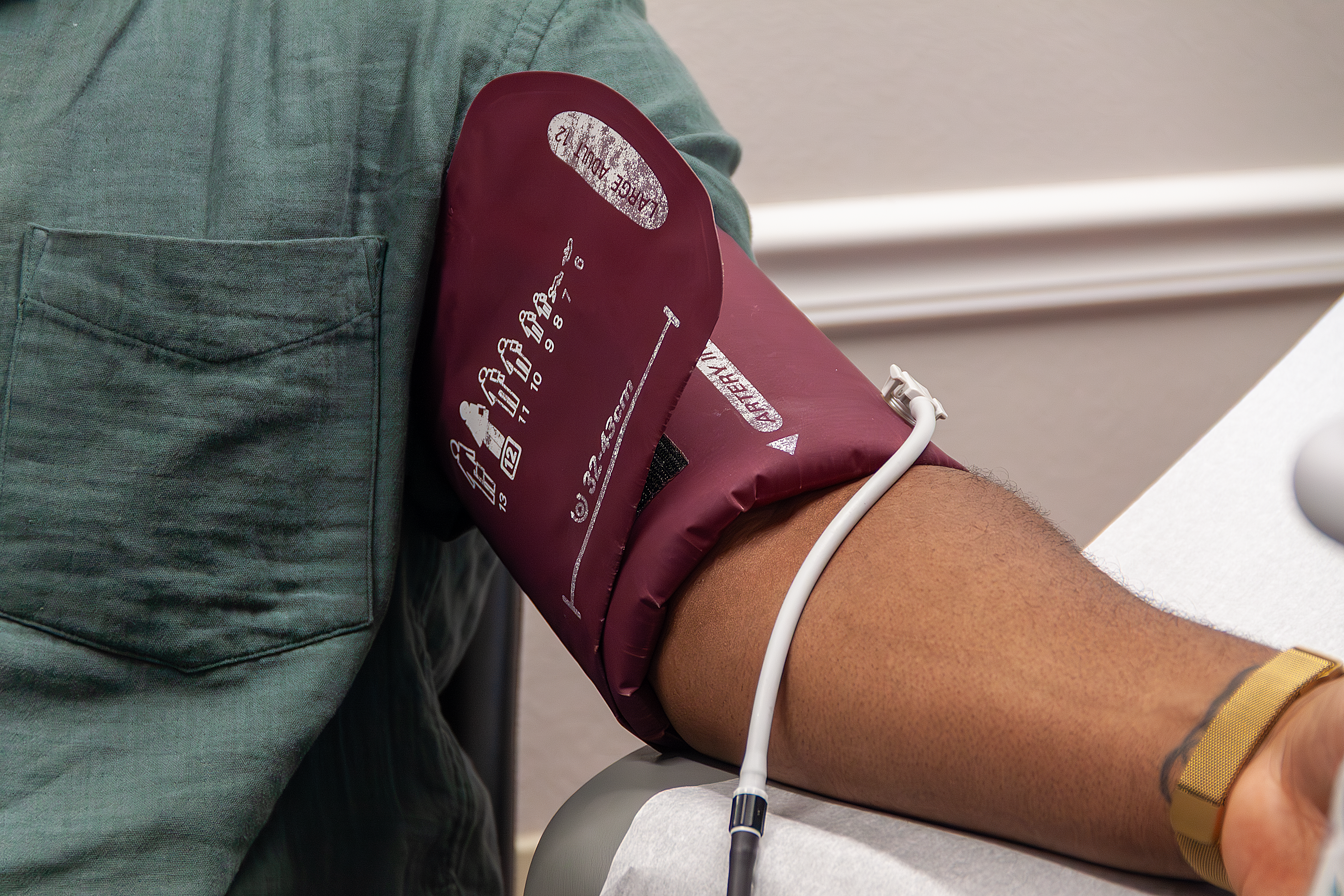
The 2025 American Heart Association/American College of Cardiology High Blood Pressure guideline advises lifestyle changes - eating a healthy diet, managing weight, getting regular physical activity and reducing salt and alcohol - as a key part of treatment for high blood pressure, with medication prescribed if appropriate. The guideline also suggests healthcare professionals use the American Heart Association’s PREVENTTM (Predicting Risk of cardiovascular disease EVENTs) risk equations to calculate 10-year cardiovascular disease risk among adults (ages 30-79 without known cardiovascular disease) with high blood pressure who do not have established cardiovascular disease.
This study is one of the first detailed assessments of the 2025 guideline on high blood pressure and updated cardiovascular disease risk estimates using the PREVENT risk equations.
“Through this study, our goal was to understand how many people may qualify for treatment according to the updated recommendations in the guideline and estimate how many deaths from any cause and from cardiovascular disease may be prevented in the long term if the guideline recommendations were applied and untreated patients received care that included medication,” said study lead author Mustafa Al-Jarshawi, M.B.Ch.B., M.Sc., MRCPUK, PgCert, an academic clinical fellow in cardiology, member of the Cardiovascular Research Group at the Centre for Prognosis Research at Keele University in the United Kingdom and honorary research fellow at the Centre for Health Informatics, University of Manchester.
Researchers examined links between blood pressure treatments and rates of deaths from all causes and from cardiovascular conditions. Their analysis predicted how many lives may be saved if treatment plans outlined in the 2025 guideline were prescribed.
The data analysis found:
- 81 million U.S. adults had a diagnosis of high blood pressure. Of these, 22.8 million (28%) were guideline-eligible for therapy based on a blood pressure reading of 130/80 mm Hg or higher. 13.1 million (57%) adults were already receiving treatment for high blood pressure, while 9.7 million (43%) remained untreated. Please note: The blood pressure readings were measured during one office visit for the National Health and Nutrition Examination Survey (NHANES) collected between 2009 and 2018. The current guideline advises taking multiple readings during multiple office visits. This is an important study limitation.
- The analysis estimates that, among eligible adults, receiving blood pressure-lowering medications was associated with a 23% lower risk of dying from any cause and a 50% lower risk of dying from heart-related issues. This was compared to eligible adults who do not receive treatment.
- If treatment with medications was extended to all untreated but eligible adults, the analysis estimates approximately 200,000 all-cause deaths and 162,000 cardiovascular deaths may be prevented during the next decade.
- People eligible for high blood pressure treatment with medication who would benefit most were older, with an average age of 66, and had more health conditions, including diabetes, chronic kidney disease and other cardiovascular disease risk factors.
“What stood out most was the size of the treatment gap - more than 40% of people who were clearly eligible under the new guideline were not receiving treatment, as well as the scale of the potential benefit,” Al-Jarshawi said.
“Lifestyle modification remains the foundation of high blood pressure management. Maintaining a healthy weight, consuming a heart-healthy diet, reducing sodium intake, increasing physical activity, getting enough sleep, managing stress and limiting alcohol can meaningfully lower blood pressure and overall cardiovascular risk,” said study senior author Mamas A. Mamas, M.D, DPhil., Professor of Cardiology at Keele University and Honorary Professor of Population Health at the University of Manchester. “For many people, especially those with blood pressure under 140/90 mm Hg and no history of heart disease, stroke, chronic kidney disease or diabetes, lifestyle changes can be enough at first. If your 10-year risk of heart disease is low, with a PREVENT score under 7.5%, maintaining a healthy lifestyle can help you delay or avoid needing medication. Even if you do need medication to lower blood pressure, making lifestyle changes is important for effective treatment and overall health.”
“The 2025 guideline emphasizes a personalized approach to managing high blood pressure by considering blood pressure levels plus 10-year and 30-year overall cardiovascular disease risk. The American Heart Association’s PREVENT risk equations help to identify individuals who could benefit from treatment before a major cardiac event,” said Chair of the American Heart Association’s 2025 guideline writing committee Daniel W. Jones, M.D., FAHA.
“Controlling blood pressure is crucial for long-term health. While lifestyle changes are the foundation for better overall health, people with high blood pressure and higher risk for cardiovascular disease may also need medication to reduce the risk of serious complications from untreated high blood pressure. Healthcare professionals should assess overall cardiovascular risk and work together with their patients to combine lifestyle strategies and medication for optimal blood pressure control.” Jones, who was not involved in this study, is a past volunteer president of the American Heart Association (2007-2008) and is dean and professor emeritus of the University of Mississippi School of Medicine in Jackson, Mississippi.
Study details, background, design and limitations:
- The study had 53% male and 47% female participants, 9.4% had chronic kidney disease, 17 % had diabetes, 47% had dyslipidemia and 15% were current smokers.
- The participants self-identified as 70% white adults, 12% Black adults, 7.2% Mexican American adults, 5.8% multiracial adults and 4.2% other Hispanic adults.
- Study limitations include that researchers did not randomly assign the treatment, which means other unmeasured factors may have influenced treatment and the results. Since blood pressure was measured during a single NHANES visit and researchers examined treatment at only one point in time, the study could not capture how patients’ medication use or treatment routines may have changed over time as they worked with their healthcare teams.
Co-authors, disclosures and funding sources are listed in the manuscript.
Studies published in the American Heart Association’s scientific journals are peer-reviewed. The statements and conclusions in each manuscript are solely those of the study authors and do not necessarily reflect the Association’s policy or position. The Association makes no representation or guarantee as to their accuracy or reliability. The Association receives more than 85% of its revenue from sources other than corporations. These sources include contributions from individuals, foundations and estates, as well as investment earnings and revenue from the sale of our educational materials. Corporations (including pharmaceutical, device manufacturers and other companies) also make donations to the Association. The Association has strict policies to prevent any donations from influencing its science content and policy positions. Overall financial information is available here.
Additional Resources:
- Multimedia is available on the right column of release link.
- After July 29, view the manuscript online.
- American Heart Association news release: New high blood pressure guideline emphasizes prevention, early treatment to reduce CVD risk (August 2025)
- American Heart Association health information: High Blood Pressure
- American Heart Association health information: Life's Essential 8
- American Heart Association health information: Managing Stress to Control High Blood Pressure
- American Heart Association health information: Managing Blood Pressure with a Heart-Healthy Diet
- Follow American Heart Association/American Stroke Association news on X @HeartNews
- Follow news from the Journal of the American Heart Association on X @JAHA_AHA
About the American Heart Association
The American Heart Association is a relentless force for a world of longer, healthier lives. Dedicated to ensuring equitable health in all communities, the organization has been a leading source of health information for more than one hundred years. Supported by more than 35 million volunteers globally, we fund groundbreaking research, advocate for the public’s health, and provide critical resources to save and improve lives affected by cardiovascular disease and stroke. By driving breakthroughs and implementing proven solutions in science, policy, and care, we work tirelessly to advance health and transform lives every day. Connect with us on heart.org, Facebook, X or by calling 1-800-AHA-USA1.
For Media Inquiries and AHA/ASA Expert Perspective: 214-706-1173
Karen Astle: Karen.Astle@heart.org
For Public Inquiries: 1-800-AHA-USA1 (242-8721)
heart.org and stroke.org